First-Time Safari in Hoedspruit: What You Need to Know Before You Book

From the Stones to the Stars
For many travellers planning a first time safari in South Africa, the process often begins with broad research around Kruger National Park, only to quickly encounter Hoedspruit as a central access point into the Greater Kruger ecosystem. What is less obvious at this stage is how much the structure of your safari, not just the destination, will determine the quality of your experience. At Stones Safaris, we see this often. Travellers arrive expecting a standard format, usually centred around game drives, only to realise that the structure of the experience changes everything. How your time is paced, what activities are included, and how those moments connect is what ultimately defines the safari.
If you are starting to explore options, it helps to look at the broader picture first, like our
Hoedspruit safari packages, or by reaching out directly via the
contact page. From there, the differences between a standard safari and a well-structured one become far easier to understand.
Key Takeaways
- Hoedspruit sits at the heart of the Greater Kruger, offering access to private reserves and diverse safari activities
- A safari is shaped more by its structure than by location alone
- Game drives, bush walks, and overnight experiences each serve a different purpose
- Real immersion comes from combining multiple formats, not repeating the same activity
- A well-designed safari flows as a complete experience, not a collection of bookings
What a Safari in Hoedspruit Actually Looks Like
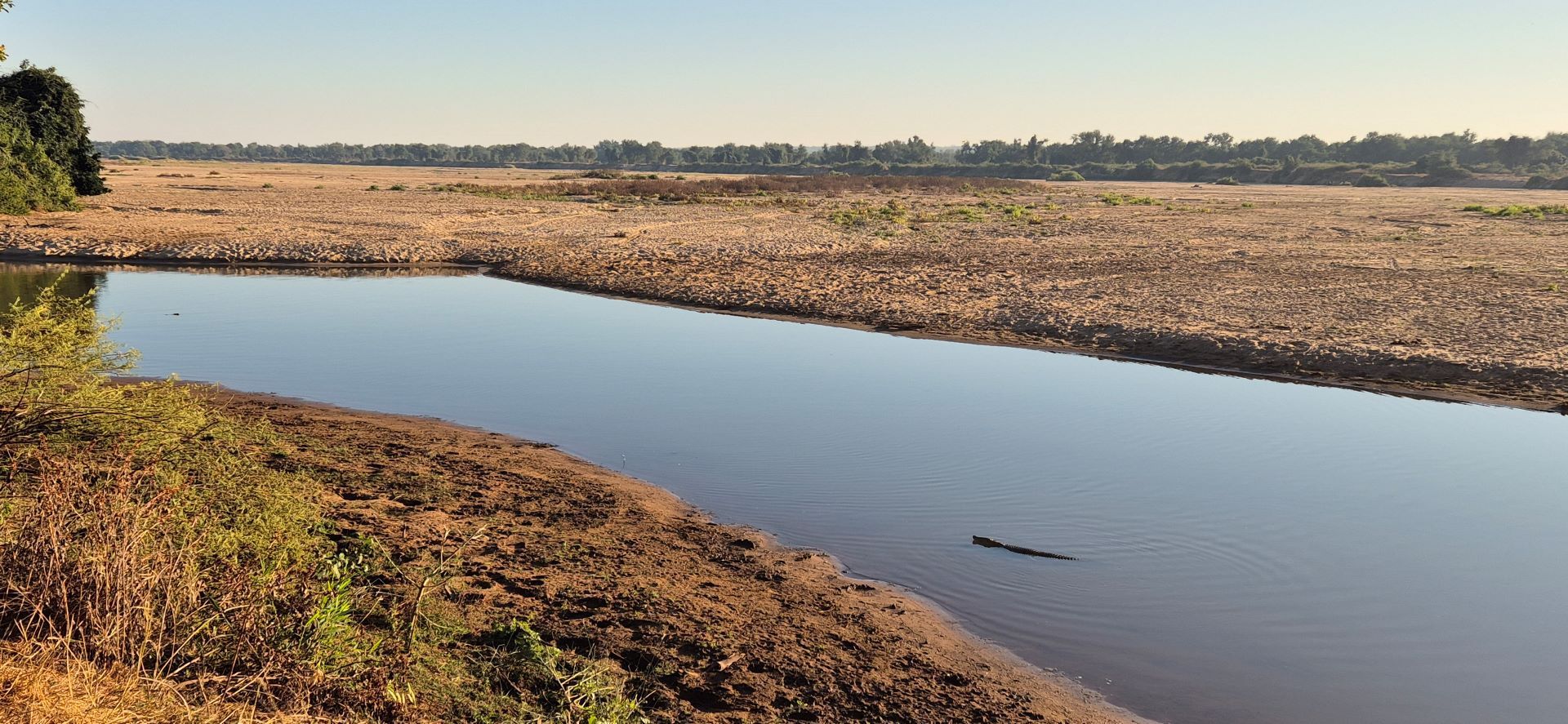
A safari in Hoedspruit is not one activity repeated twice a day. It is a progression. Mornings begin with movement and tracking in cooler conditions, afternoons open up space for longer time in the field, and evenings shift the experience into something more grounded and immersive.
Most travellers initially picture a safari as a sequence of drives. That is only one part of it. A well-structured safari builds from that foundation into something more varied.
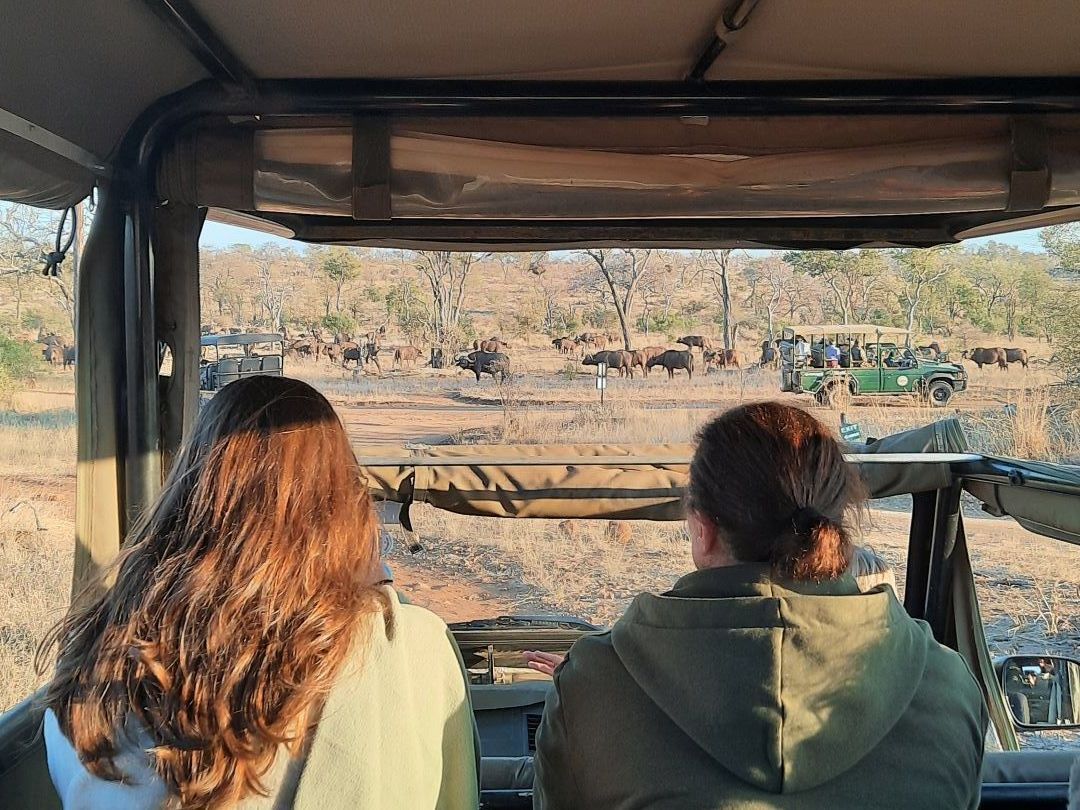
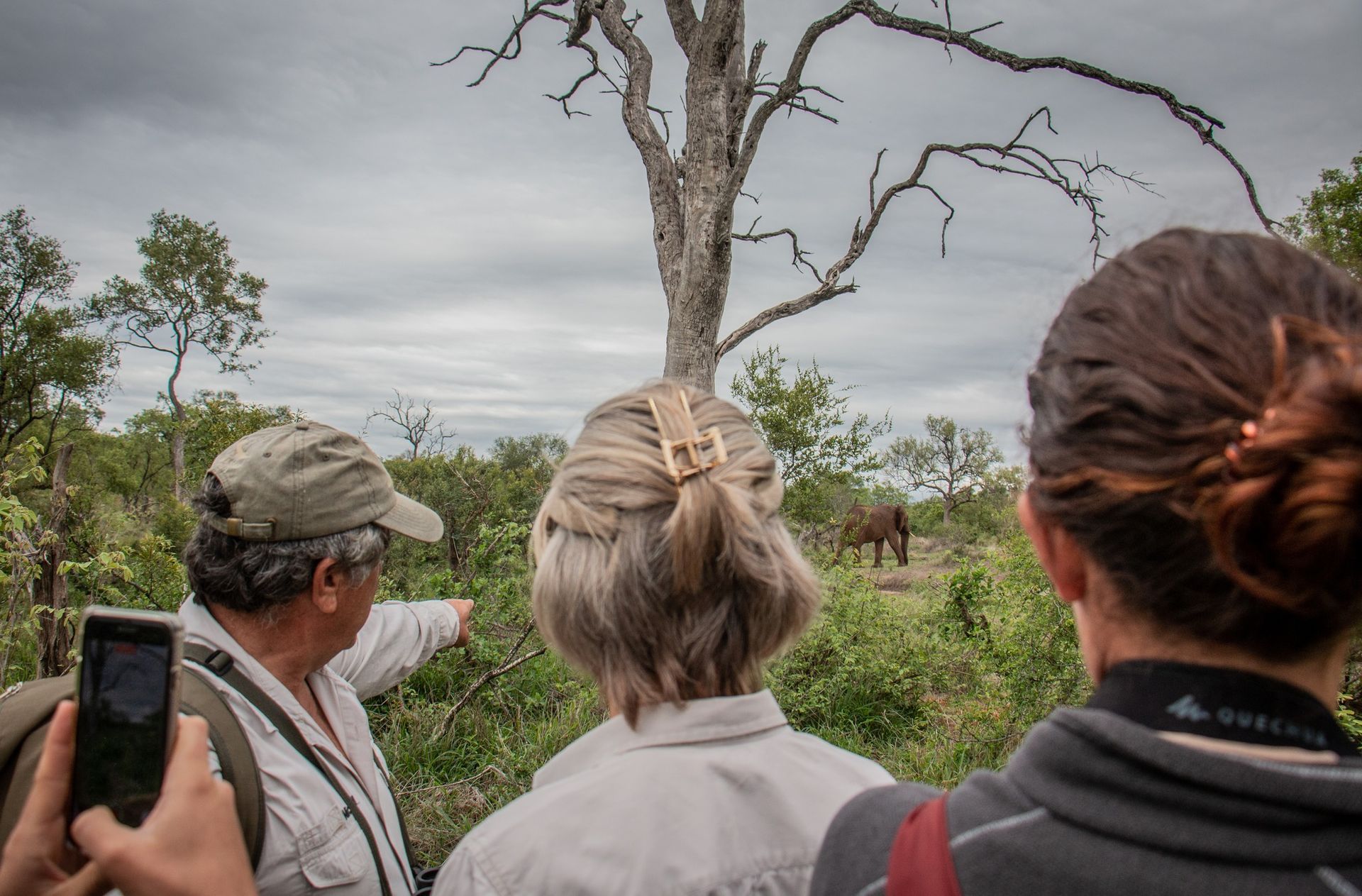
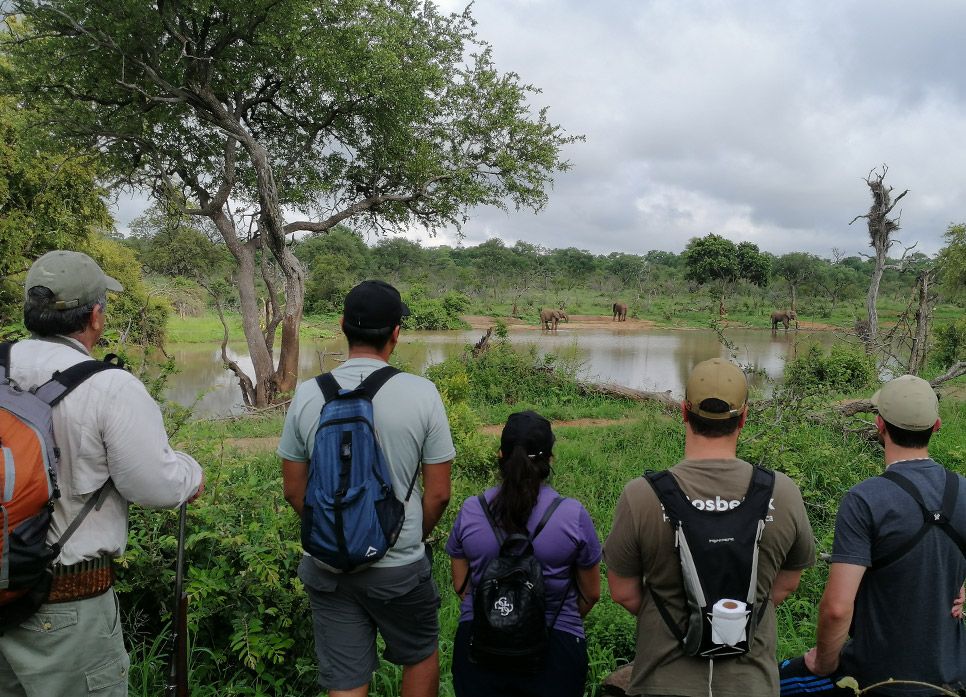
A typical day might start with a guided game drive, where the focus is on covering ground, understanding animal behavior, and responding to what is happening in real time. Later in the day, the pace changes. Instead of staying in the vehicle, you might step out on a guided bush walk, where the experience becomes quieter, more detailed, and far more immediate.
As the day shifts into evening, the structure can move even further away from the vehicle. A South African bush braai places you in the middle of the reserve after sunset, where the focus is no longer on sightings, but on being present in the environment. In some cases, the experience continues into the night with a sleep-out under the stars, where the boundary between guest and wilderness disappears entirely.
This is what a safari in Hoedspruit actually looks like when it is structured properly. Not repetition, but progression.
Game Drives vs Walking Safaris Explained Simply
For anyone working through a Kruger safari beginner guide, understanding the difference between game drives and walking safaris is essential, because they are often misunderstood as alternatives when they are in fact complementary.
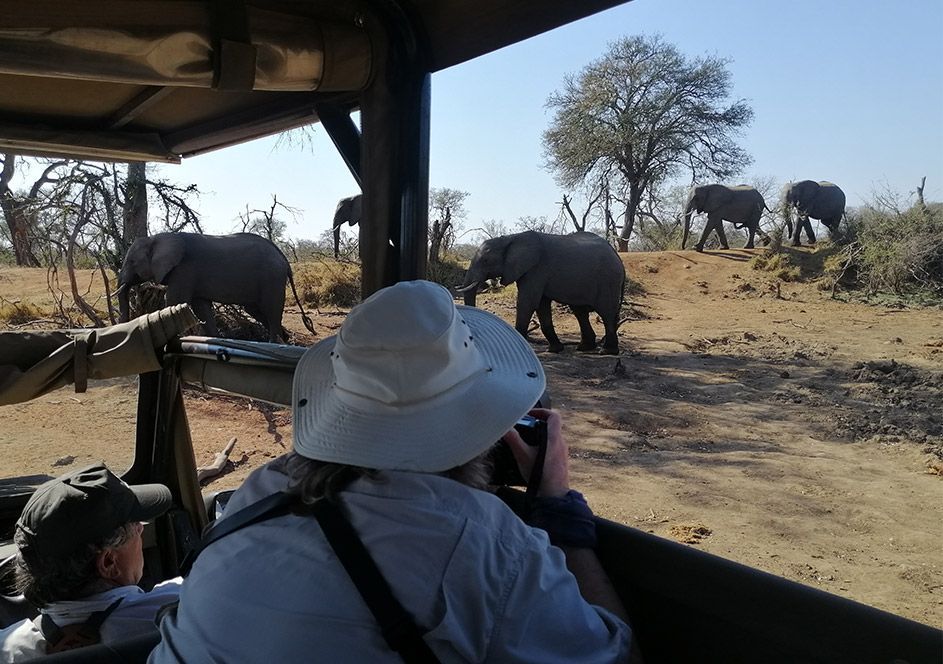
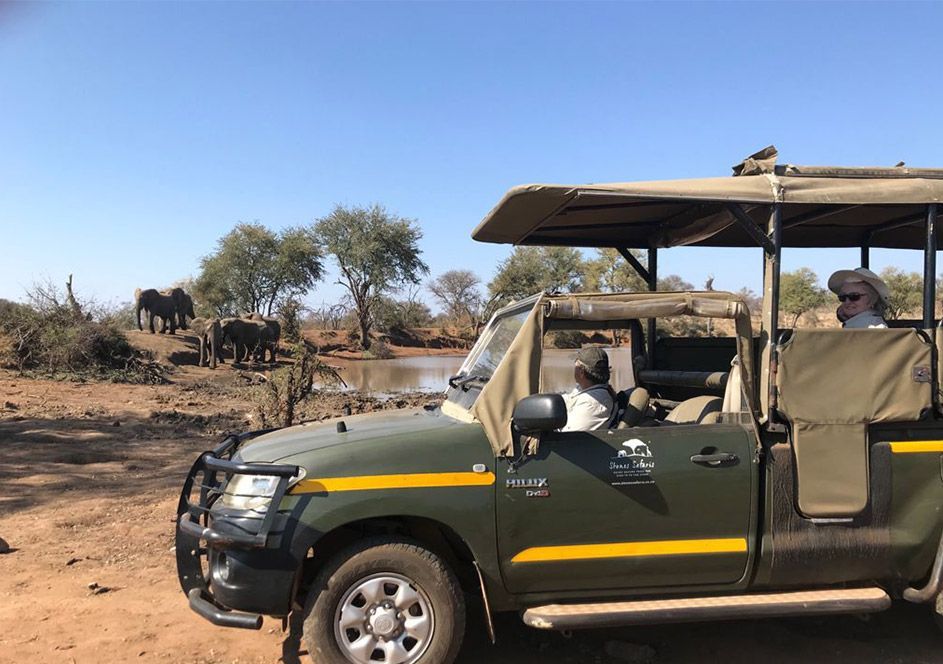
Game drives provide range. Through guided safari drives in Hoedspruit, you are able to move across large areas, follow wildlife movement, and access sightings that would otherwise be out of reach. This is where most first-time travellers encounter large animals and begin to understand the scale of the ecosystem.
Walking safaris change the perspective completely. On a bush walk experience, distance becomes irrelevant. The focus shifts to detail. Tracks, broken branches, wind direction, and sound become central to the experience. You are no longer observing the environment, you are moving within it.
What many first-time travellers get wrong is treating walking safaris as optional. In reality, they are often the element that gives the entire safari depth. Without them, the experience can feel one-dimensional. With them, it becomes layered.
How Many Days You Really Need for a Safari
One of the most common questions in safari planning South Africa is how long a safari should be, and most travellers underestimate the answer.
Two to three days is enough to see wildlife. It is not enough to understand the environment or feel immersed in it. A more realistic timeframe is three to five days, where the experience has space to unfold naturally.
The difference is not just time, but variation. Over a longer stay, you move beyond repeated drives and begin to experience different formats. A morning drive followed by a bush walk feels completely different from a day that ends with a bush braai or transitions into a sleep-out. Each element changes the rhythm.
Time also removes pressure. Wildlife does not operate on demand, and the most meaningful sightings often happen when there is no need to force them.
What First-Time Travellers Often Get Wrong
Most first-time safari travellers arrive with expectations shaped by edited highlights, where every moment appears dense with action. The reality is more measured, and far more rewarding when approached correctly.
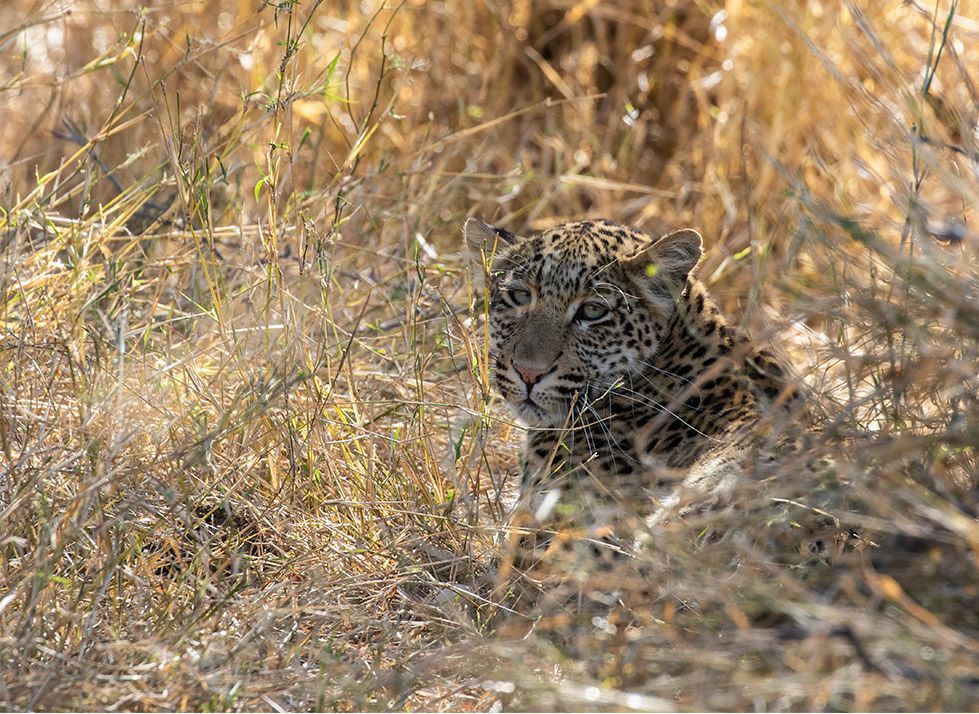
One of the most common misconceptions is that a safari should deliver constant sightings. In practice, a large part of the experience is built around tracking, waiting, and interpreting what is happening in the environment. These quieter moments are not empty, they are where understanding develops.
Another mistake is booking activities in isolation. A single game drive, a once-off bush walk, or a standalone dinner in the bush can feel disconnected if there is no structure behind them. What creates value is not the individual activity, but how they link together.
There is also a tendency to prioritise accommodation over experience. While comfort matters, the
defining factors of a safari are guiding quality, access to the right areas, and how the experience is paced across the day.
Start Planning Your Safari from Hoedspruit
A well-structured safari does not start with a booking, it starts with understanding how you want to experience the bush. Whether you are drawn to guided walking safaris, immersive bush nights, or classic Kruger game drives, the way these elements are combined will shape your entire journey.
You can begin by exploring our Hoedspruit safari experiences to understand how each activity fits into a broader safari, or review our safari packages to see how we structure multi-day itineraries in the Greater Kruger. For a more tailored approach, you can also reach out directly through our
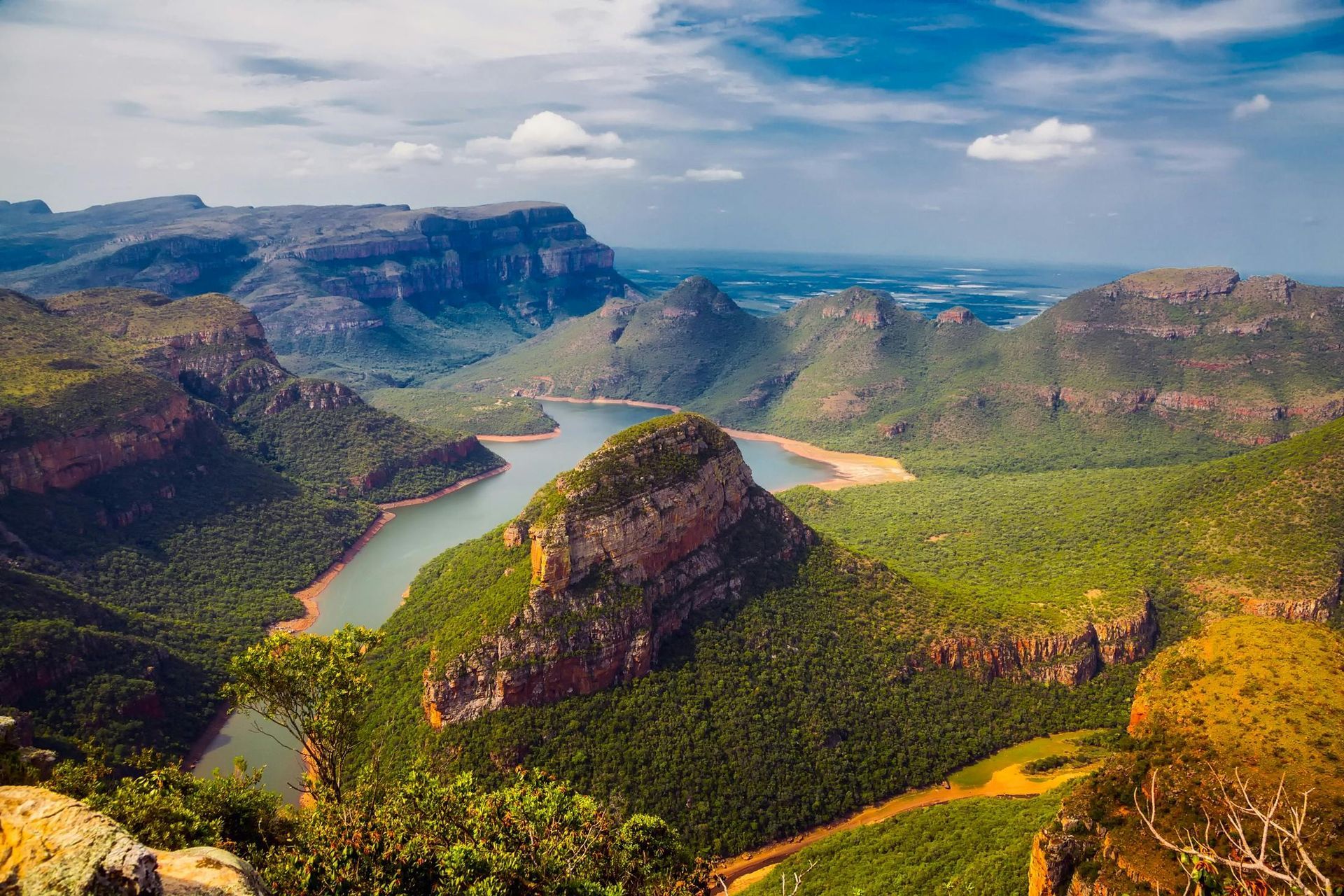
contact page, and we will help you build a safari that aligns with how you want to experience Hoedspruit and the Kruger to Canyon region.
Frequently Asked Questions
Is Hoedspruit good for a first-time safari?
Yes. Hoedspruit is one of the most accessible and well-positioned safari hubs in South Africa, offering direct access to the Greater Kruger ecosystem, experienced guides, and a wide range of safari structures suitable for first-time travellers.
How many days do you need for a safari in Kruger?
A minimum of three nights is recommended, with five to six days providing a more complete and less rushed experience that allows for variation and deeper immersion.
What is the difference between a game drive and a walking safari?
Game drives focus on covering distance and maximising wildlife sightings from a vehicle, while walking safaris focus on slower, ground-level exploration, emphasising tracking, environment, and sensory awareness.
Is a safari safe for first-time travellers?
Yes, when conducted through structured, guided experiences within established reserves. Professional guides, strict protocols, and controlled environments ensure a high level of safety.
What should I pack for my first safari in South Africa?
Neutral-coloured clothing, comfortable walking shoes, a light jacket for early mornings, sun protection, and essential travel items. Packing should prioritise practicality over excess.
Enquiry Form

Share This Article On Your Favourite Platform