
How to Prepare for a Multi-Day Wilderness Trail in Africa
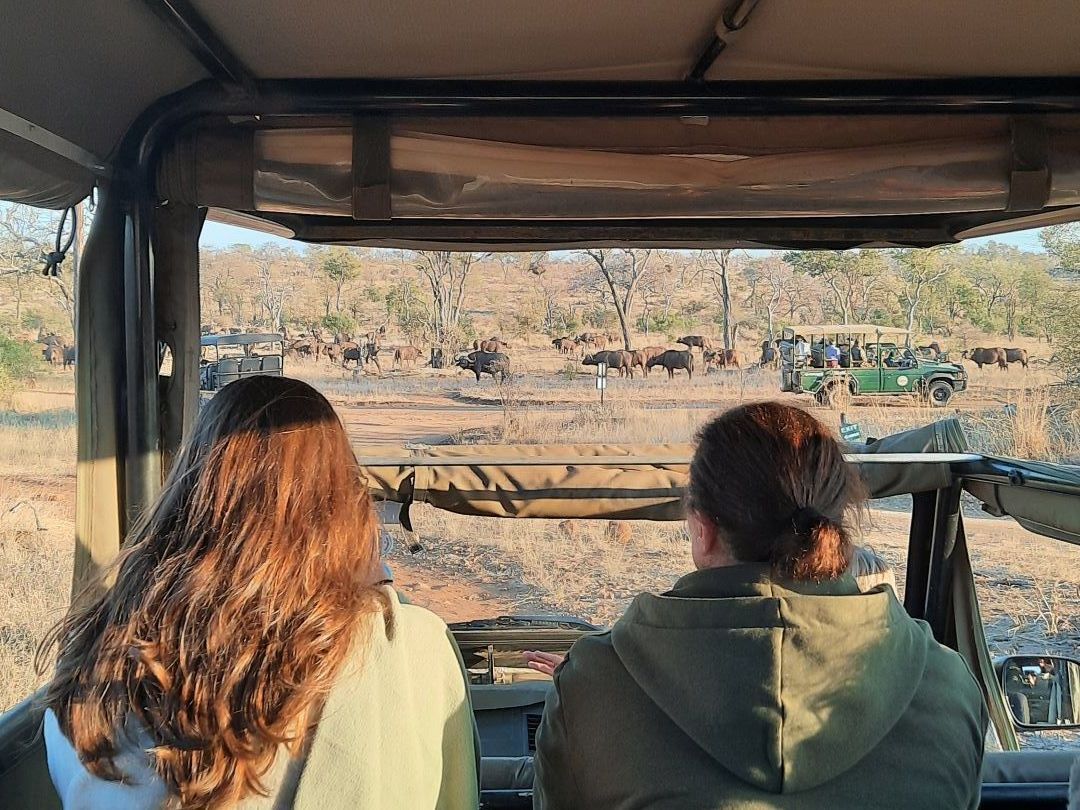
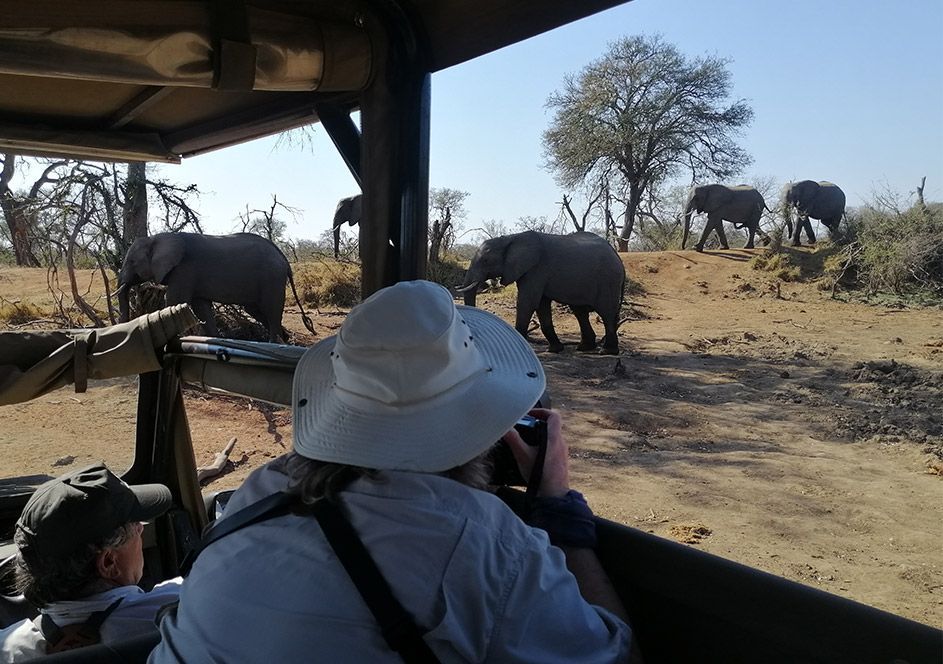
A multi-day wilderness trail in Africa offers one of the most immersive ways to experience the bush. Instead of observing wildlife from a vehicle, you explore the landscape on foot while experienced field guides interpret the environment around you.
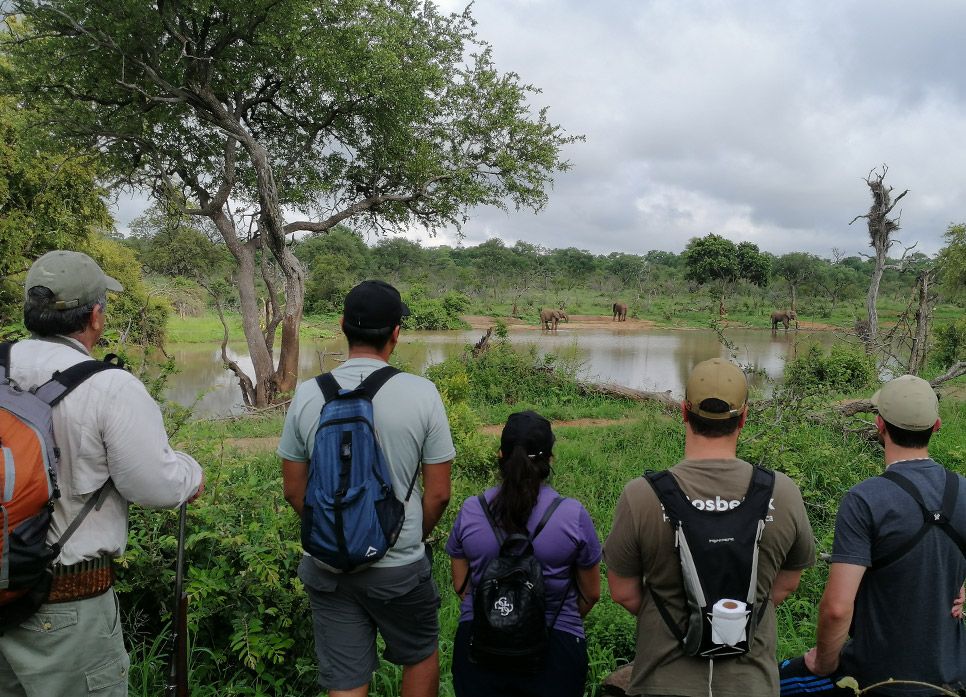
At Stones Safaris, guided walking safaris allow guests to discover the Greater Kruger wilderness at ground level. Through guided walking safari experiences in Kruger, guests learn how to interpret animal tracks, recognise bird calls, and understand the delicate ecosystems that support wildlife in the African bush.
For those looking for a deeper wilderness adventure, trails such as the Kruger Nyarhi Rustic Bush Camp trail provide an opportunity to spend several days exploring Big Five territory while staying in rustic bush camps surrounded by nature.
Unlike traditional game drives, wilderness trails focus on the subtle details of the environment. Walking quietly through the bush reveals fresh animal tracks, warning calls from birds, and small signs that reveal wildlife long before it is seen.
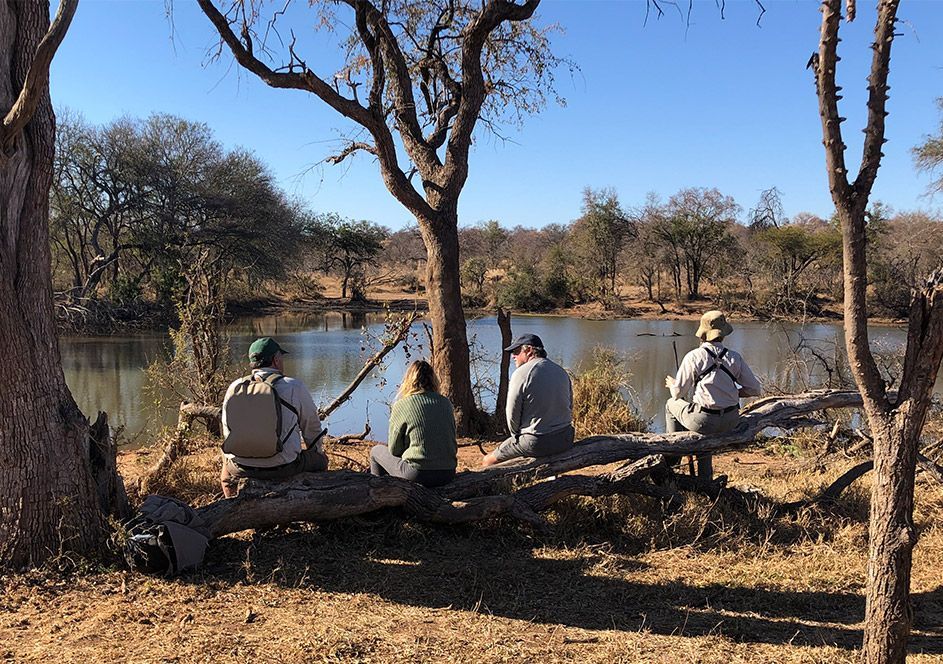
Key Takeaways Before You Hit The Trail
- Stones Safaris offers immersive Kruger experiences, from full-day game drives to multi-day safaris.
- Small groups ensure personalized attention and expert-guided insights.
- Options range from day tours to overnight stays for deeper wildlife immersion.
- Pickup and drop-off in Hoedspruit for convenience.
What Is a Multi-Day Wilderness Trail?
A multi-day wilderness trail is a guided walking safari that takes place over several days in protected wilderness areas such as Kruger National Park and the surrounding Greater Kruger reserves. Instead of returning to a lodge after a short bush walk, guests spend multiple days exploring the bush on foot while staying in rustic camps or wilderness lodges.
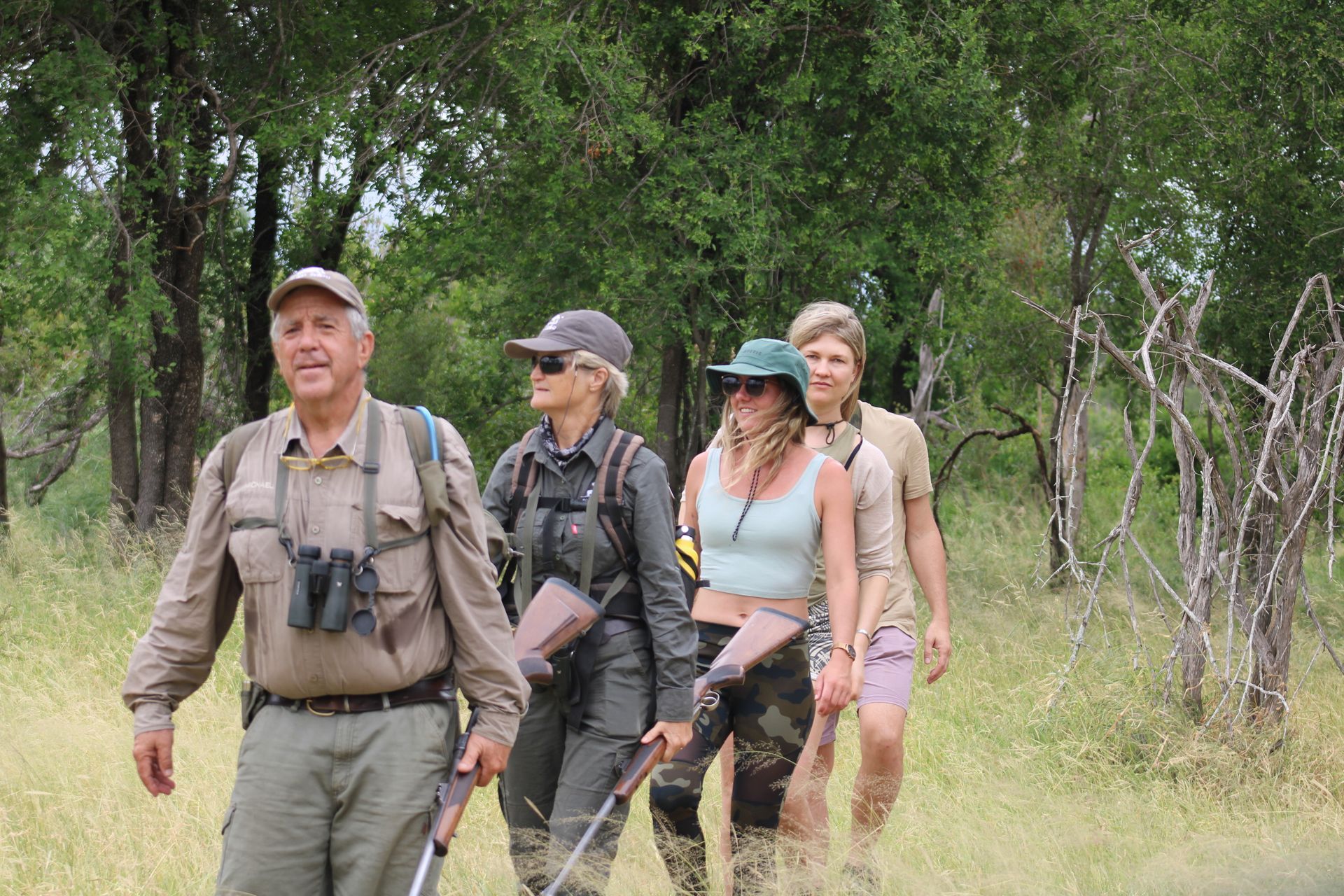
During these trails, professional field guides interpret the landscape as you move through it. Guests learn to identify animal tracks, understand wildlife behaviour, and notice the subtle signs that reveal what has passed through the area during the night.
Many guests joining a multi-day walking safari in the Greater Kruger region discover that the experience is not only about seeing animals but also about understanding how the entire bush ecosystem functions.
Physical Preparation for a Walking Safari
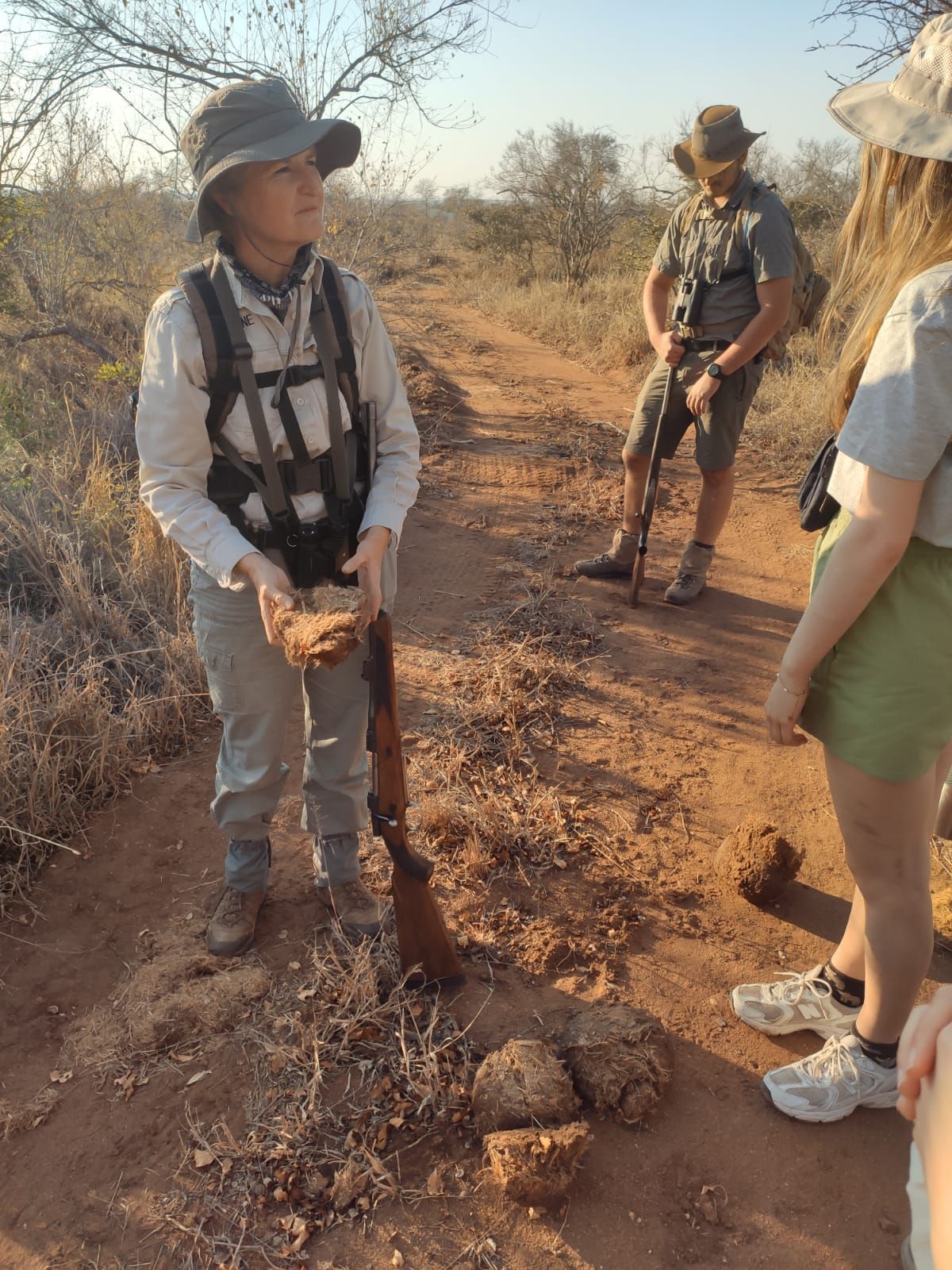
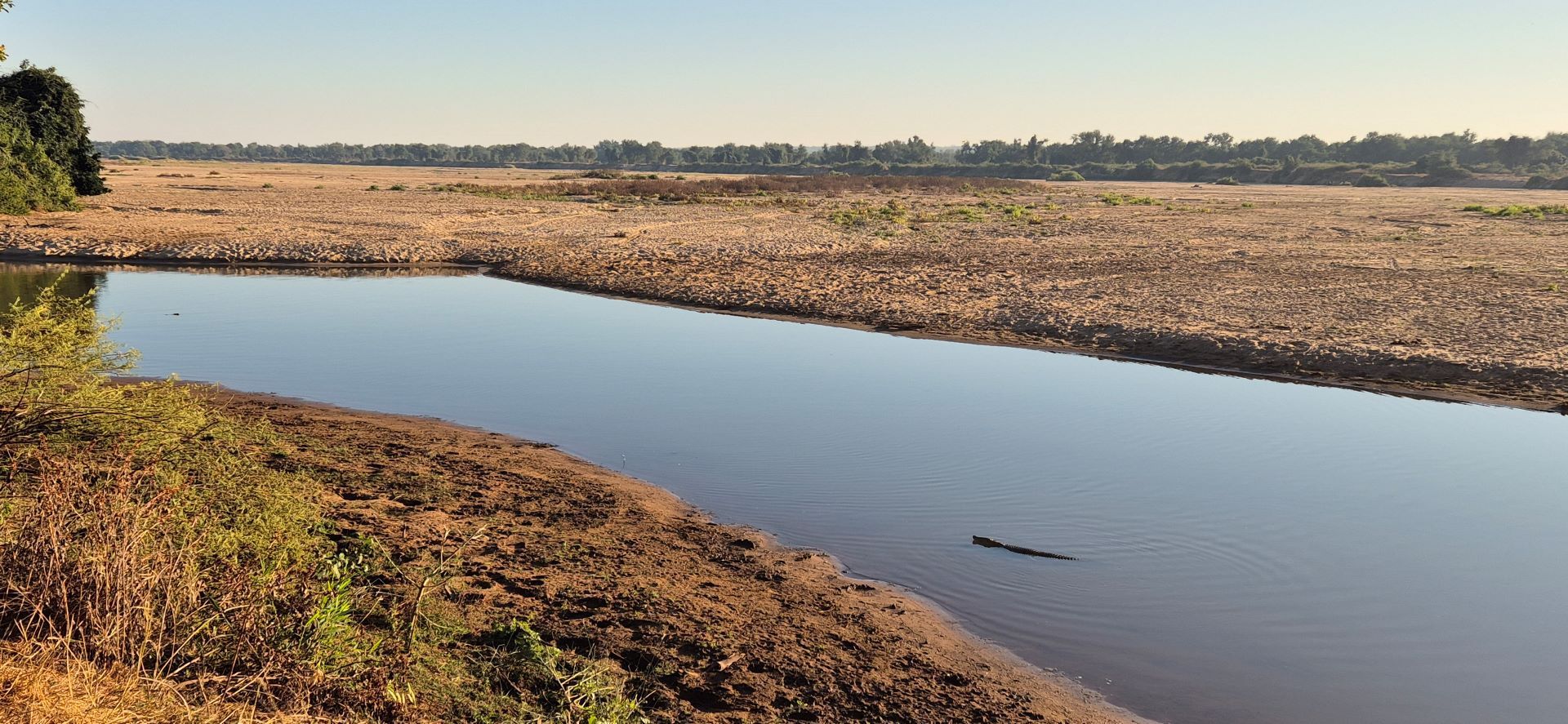
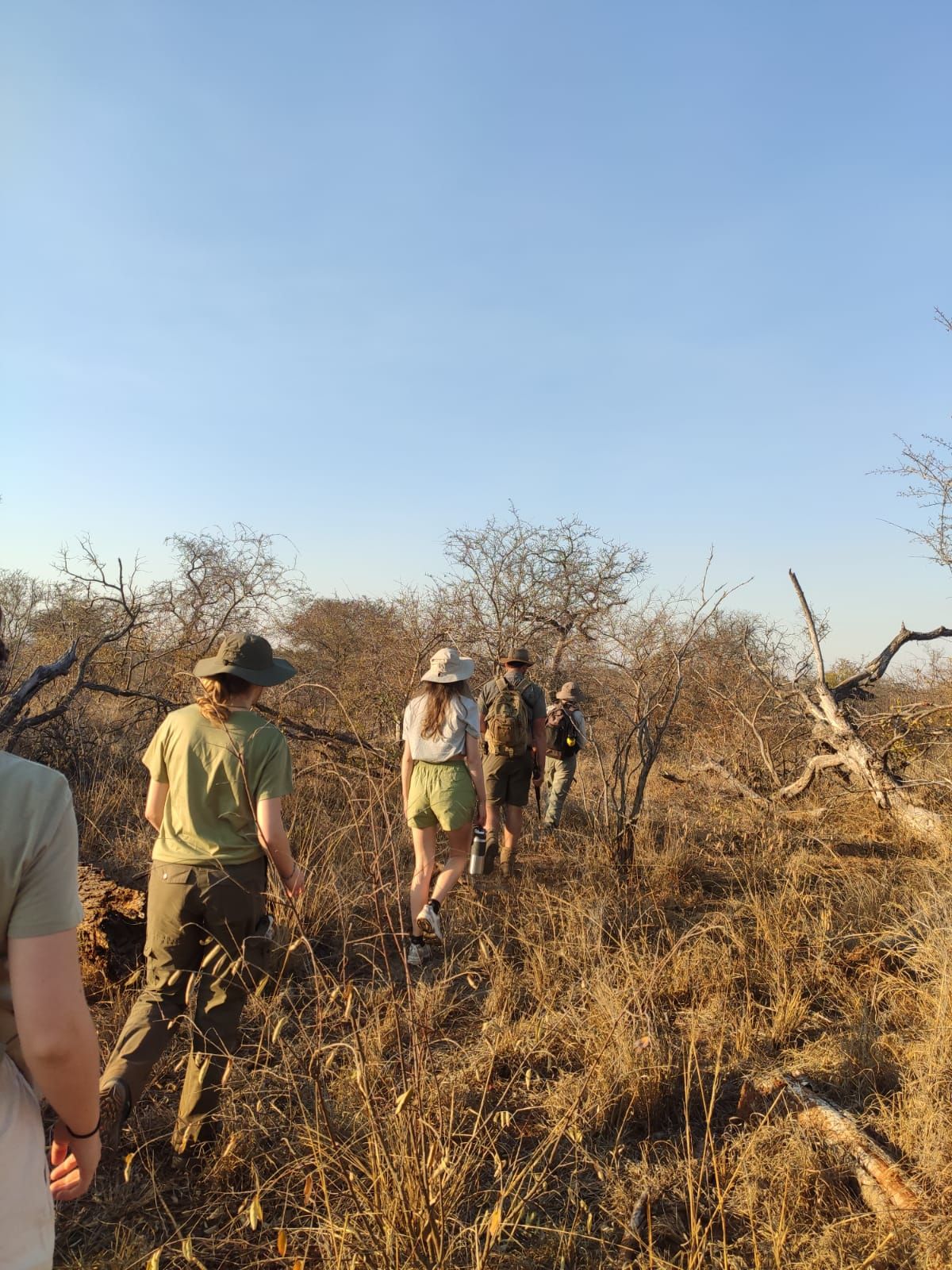
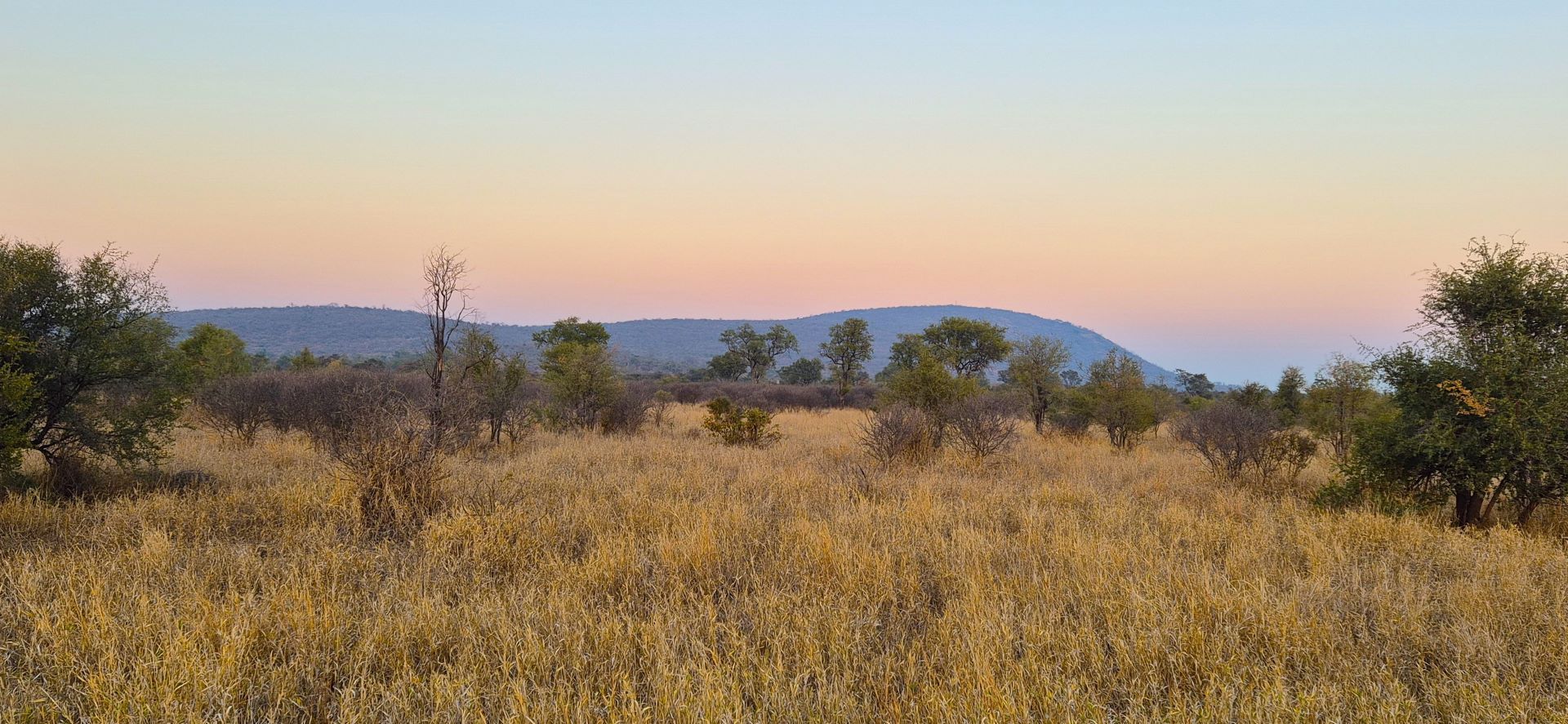
Walking safaris follow a relaxed pace, but they still require a reasonable level of physical fitness. Guests may spend several hours each day walking across natural terrain that includes sandy riverbeds, bushveld grasslands, and rocky outcrops.
Preparing before your safari will help you enjoy the experience more fully. Activities such as regular walking, hiking, or cycling can help build the endurance needed for extended time on foot.
Many guests preparing for their first guided walking safari in Kruger begin training with regular walks or light hikes so that the experience feels comfortable rather than physically demanding.
Preparing Mentally for the Wilderness
Walking through the African bush is as much a mental experience as it is a physical one. The wilderness moves according to its own rhythm, and wildlife sightings cannot be predicted in advance.
Approaching a walking safari in Africa with curiosity and patience allows guests to appreciate the small discoveries that make the experience so rewarding. Over time, the senses sharpen and guests begin to notice subtle movements, distant animal calls, and fresh tracks in the sand.
Spending time on foot with Stones Safaris allows guests to slow down and experience the Greater Kruger wilderness in a more meaningful way.
Packing Essentials for a Wilderness Trail
Packing for a multi-day walking safari requires careful planning. Most trails allow guests to carry only a small daypack while the main luggage is transported between camps.
Clothing should blend naturally with the environment. Neutral colours such as khaki, green, or brown are ideal because they allow you to move quietly through the bush without drawing attention. Lightweight fabrics and long sleeves provide protection against the sun and insects while remaining comfortable in warm conditions.
Footwear is one of the most important pieces of equipment for a walking safari. Comfortable walking boots that have already been broken in provide support while walking across uneven terrain and help prevent blisters during longer walks.
A small daypack usually includes water, sunscreen, insect repellent, binoculars, sunglasses, and a hat. Many guests also bring a camera or notebook to record memorable sightings during the trail.
What a Typical Day on a Wilderness Trail Looks Like
Life on a wilderness trail follows the natural rhythm of the bush. Days usually begin before sunrise, when wildlife activity is highest and temperatures are cooler. After a light breakfast or coffee, guests set out on foot with their guide.
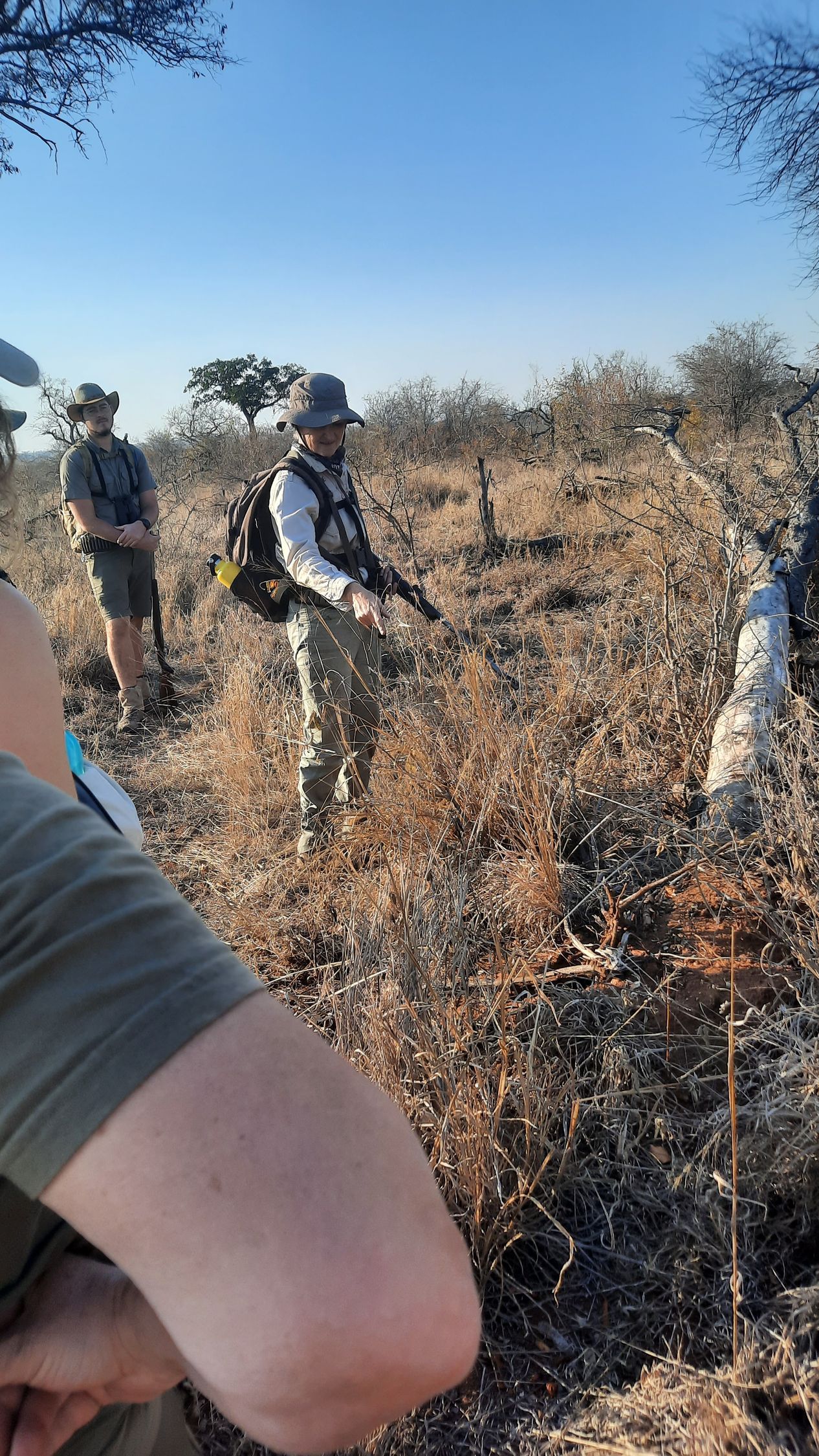
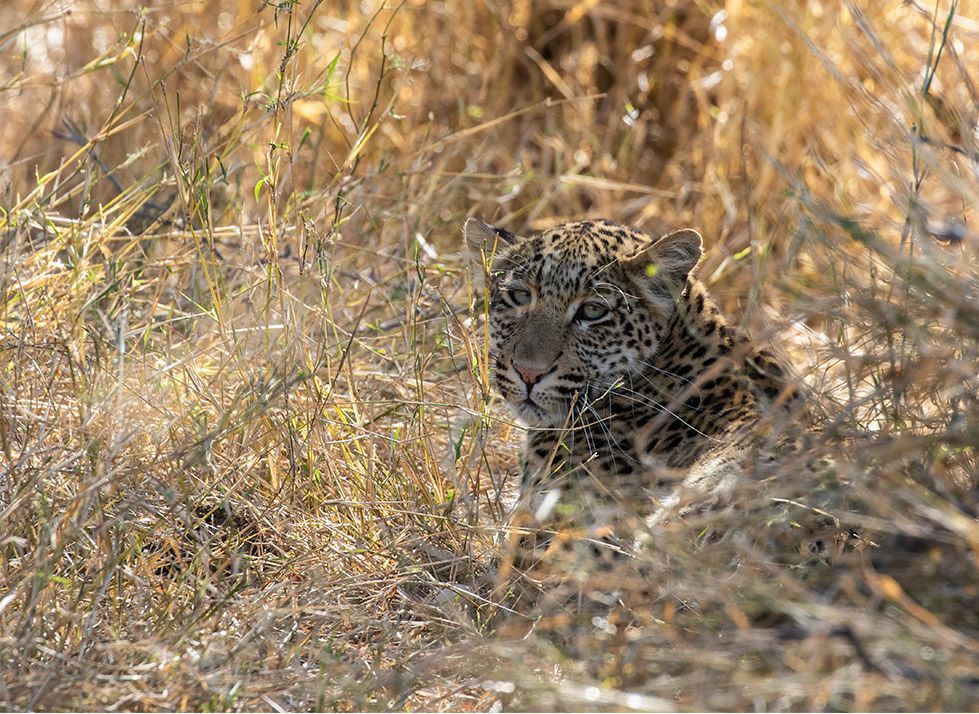
During the walk, guides frequently stop to interpret fresh animal tracks, bird calls, and other signs of wildlife activity. A set of footprints in the sand might reveal that elephants passed through the area during the night, while alarm calls from birds can indicate the presence of predators nearby.
After returning to camp later in the morning, guests often relax during the heat of the day before heading out again for a shorter afternoon walk.
Experiences such as the Kruger Nyarhi Rustic Bush Camp trail allow guests to fully immerse themselves in this rhythm of walking, resting, and exploring the wilderness over several days.
What You’ll Learn on a Walking Safari
One of the most rewarding aspects of a walking safari is learning how to read the bush like a guide. Field guides teach guests how to recognise animal tracks, interpret bird alarm calls, and identify plants used by wildlife.
Guests often learn how to track animals across sandy riverbeds, understand territorial markings, and interpret the behaviour of different species encountered along the trail.
For those who want to experience these skills during a shorter activity, the Stones Safaris bush walk experience offers a guided introduction to exploring the African bush on foot with experienced field guides.
Best Time for a Walking Safari in Kruger
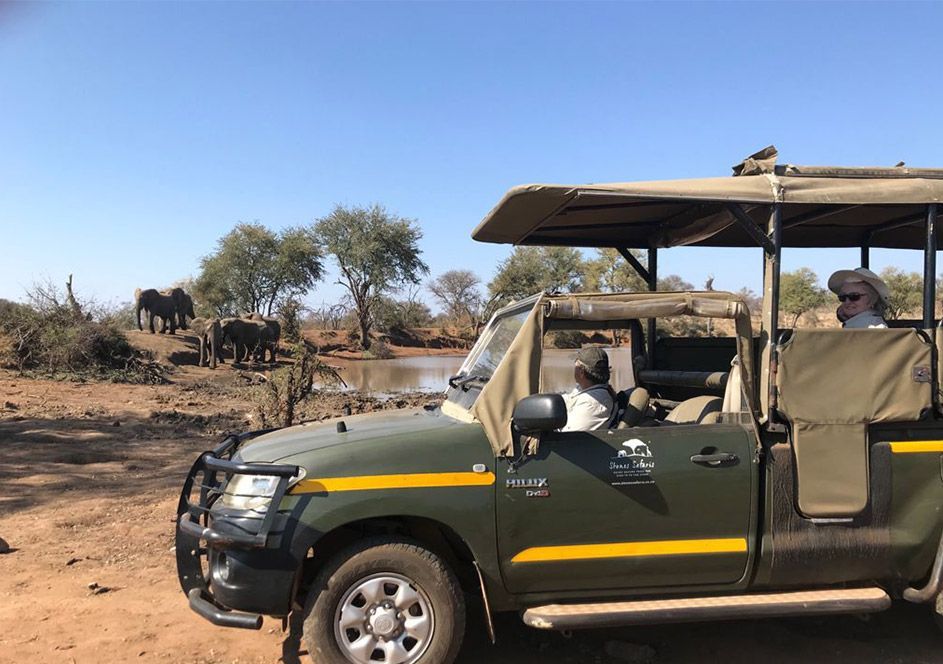
The best time to experience a multi-day wilderness trail in Kruger National Park is usually during the dry winter months from May to September. During this period, vegetation becomes thinner and wildlife gathers around permanent water sources, making animals easier to spot.
Cooler morning temperatures also make walking far more comfortable, which is why many wilderness trails are scheduled during the winter safari season.
Spring and early summer can also be rewarding, as the bush becomes greener and birdlife becomes more active. However, warmer temperatures may shorten walking hours during the day.
Guests interested in planning a walking safari in the Greater Kruger region can explore seasonal safari options through Stones Safaris to determine the best time for their visit.
Safety While Walking in Big Five Territory
Walking in areas inhabited by elephants, lions, and buffalo may seem intimidating at first, but guided walking safaris are extremely safe when conducted by trained professionals.
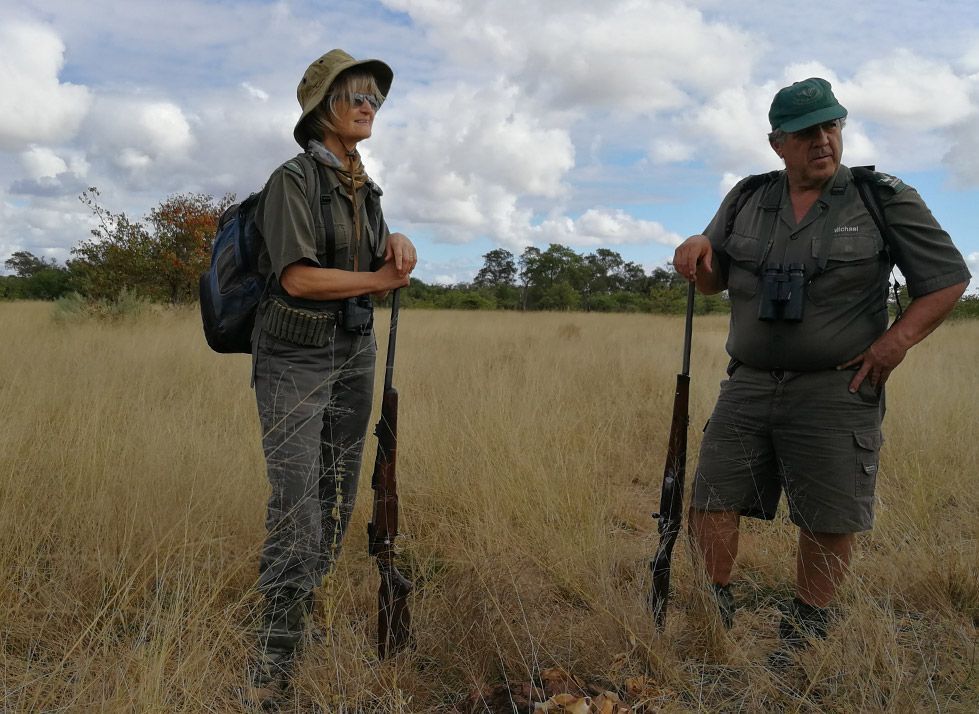
Stones Safaris' Field guides undergo extensive training in wildlife behaviour, tracking, and safety procedures. Our role is to interpret the environment and guide guests safely through the wilderness.
Guests contribute to safety by staying attentive, following our instructions, and remaining calm during wildlife encounters. Animals generally prefer to avoid human contact, and most sightings occur at a respectful and safe distance.
Start Planning Your Wilderness Trail Adventure
For guests looking to experience the African bush in a deeper and more meaningful way, a multi-day walking safari offers one of the most unforgettable adventures available.
With options ranging from guided bush walks to immersive wilderness trails and customised safari itineraries, Stones Safaris offers opportunities to explore the Greater Kruger region in a way that suits every travel style.
If you would like to plan your own walking safari adventure or learn more about upcoming wilderness trails, you can contact Stones Safaris to begin planning your journey into the African bush.
Contact Stones Safaris:
Email: stonessafaris@gmail.com
WhatsApp/Phone: +27 (0)81 286 9653 or +27 (0)72 257 2525
Wilderness Trails Enquiry Form
Frequently Asked Questions
Do I need prior hiking experience to join a wilderness trail?
Not necessarily. While a decent level of fitness is required, most trails are guided and pace is adjusted to the group’s ability.
Is it safe to walk in Big Five territory?
Yes, when under the supervision of trained and experienced guides, walking in Big Five areas is safe. Your safety depends heavily on following their instructions.
What happens if I get injured or can’t continue the walk?
Guides carry first-aid kits and have protocols in place for emergencies. Some trails offer support vehicles or alternative plans if needed.
Can I charge my phone or camera during the trail?
Most wilderness trails do not have access to electricity. Bring a power bank or solar charger if you need to power devices.

Share This Article On Your Favourite Platform