Best Time to Visit Kruger National Park: A Seasonal Safari Guide

From the Stones to the Stars
The best time to visit Kruger National Park depends on what you want from your safari. The dry months generally offer easier wildlife viewing, while the summer rains transform the bush with green landscapes, abundant birdlife and new life. At
Stones Safaris, we use these seasonal changes to shape our
Kruger safari tours and experiences and
Hoedspruit safari packages around each traveller’s priorities, pace and wider South Africa itinerary.
Key Takeaways
- Kruger National Park is a year-round safari destination, but the experience changes considerably between the dry and rainy seasons.
- April to September is Kruger’s dry season, with increasingly sparse vegetation and wildlife becoming more dependent on permanent water sources.
- October to March is the rainy season, bringing new growth, fuller rivers and waterholes, summer birdlife and greener landscapes.
- May to September is generally considered the best time for a Kruger safari when wildlife viewing is the main priority.
- September is particularly interesting because the bush is still very dry, visibility can be excellent and temperatures are beginning to rise before the summer rains.
- The best month to visit Kruger is not the same for every traveller. Birders, photographers, families and first-time safari guests can have different priorities.
- Your travel season should influence more than your dates. It can also affect the type of safari experiences, length of stay and daily itinerary you choose.
When Is the Best Time to Visit Kruger National Park?
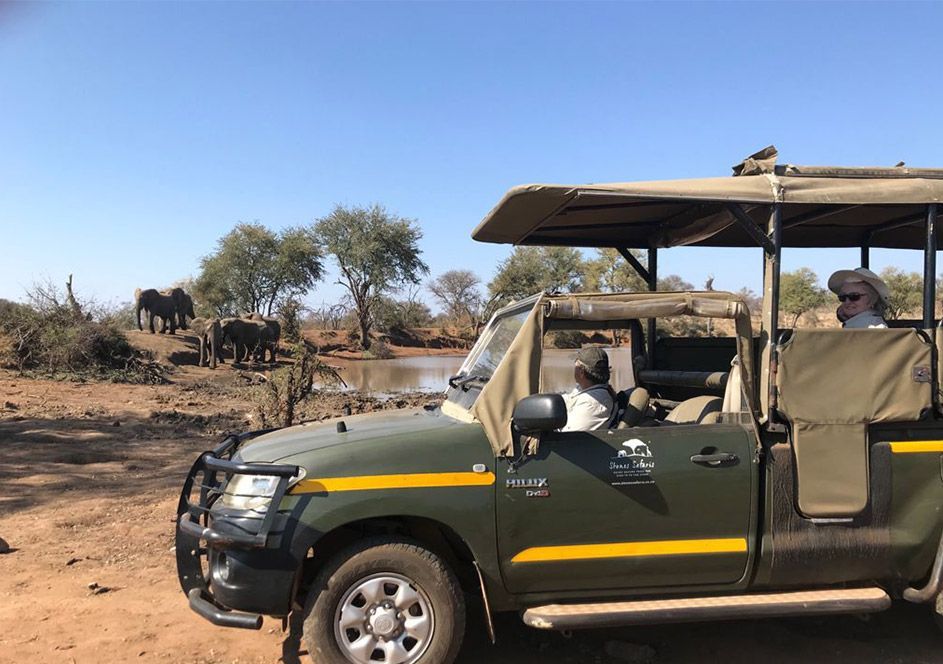
For travellers primarily interested in seeing wildlife, May to September is generally the best time to visit Kruger National Park. This period falls within the dry season, when rainfall is limited, vegetation becomes progressively thinner and animals depend more heavily on permanent rivers and water sources. These conditions can make wildlife easier to locate and see.
That does not mean wildlife disappears once the rains arrive. Kruger remains one of Africa’s major wildlife destinations throughout the year. What changes is how you experience it.
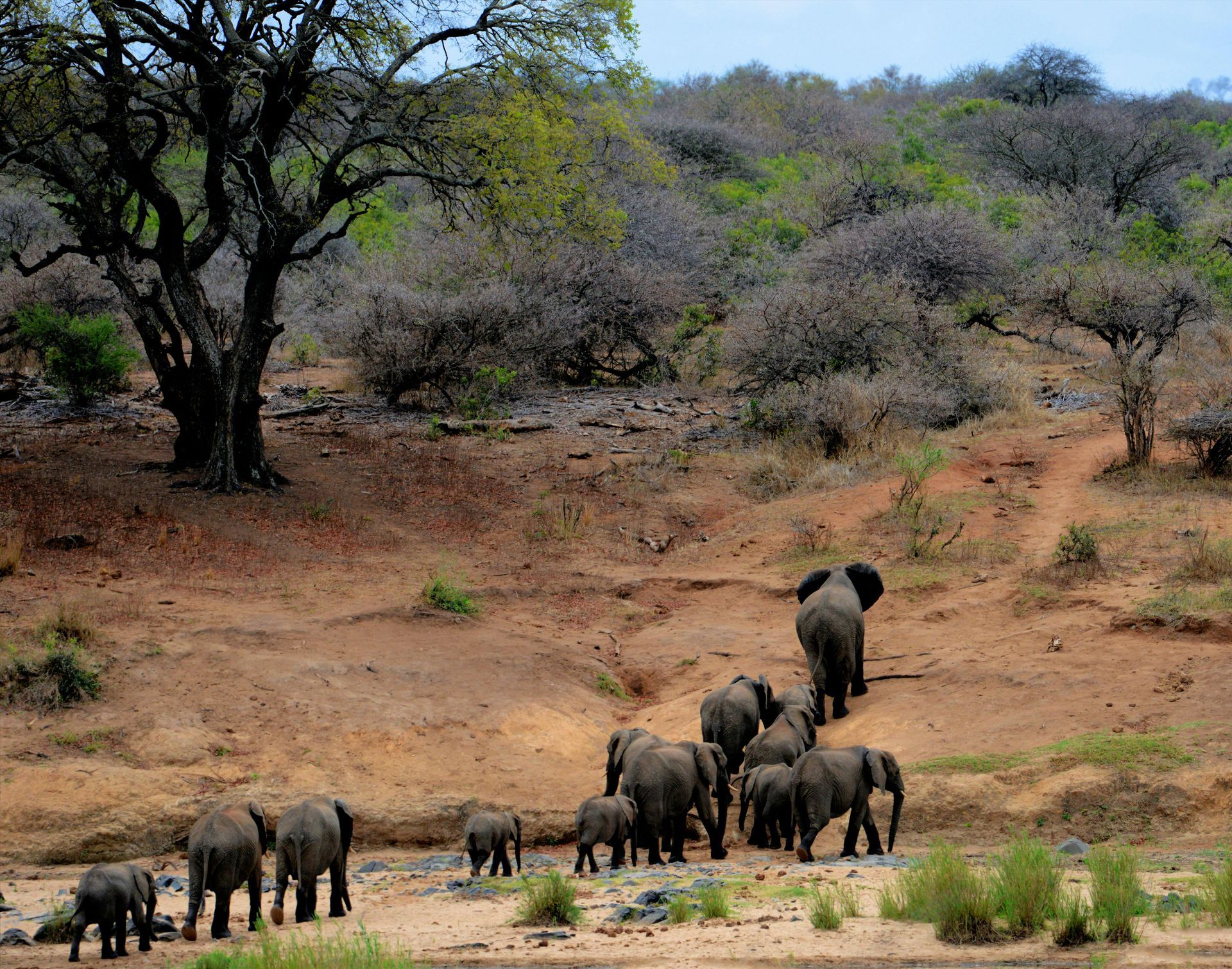
During the dry months, the bush opens up. Grasses are lower, many deciduous trees lose their leaves and wildlife movement is influenced by the availability of water. As spring approaches in August and September, the landscape can appear particularly dry and dusty, but those conditions can be excellent for game viewing.
Once the summer rains begin, the same landscape starts changing remarkably quickly. New grass appears, trees flush with leaves and temporary water sources begin filling. Wildlife can spread across a wider area because animals are no longer as dependent on a limited number of water sources. The thicker vegetation can make sightings more challenging, but the trade-off is a greener landscape, active birdlife and a completely different atmosphere.
This is why, when we help travellers plan a Greater Kruger safari, we do not simply answer the question with a single month. We look at what the traveller actually wants to experience.
A first-time visitor whose priority is seeing as much wildlife as possible may benefit from travelling during the dry season. A keen birder may prefer the green summer months. A photographer may need to decide whether open visibility or dramatic green landscapes matter more. A family may place greater importance on temperature, travel pace and how many hours children will comfortably spend in a safari vehicle.
The season should therefore be part of the itinerary-building process, not an afterthought.
Kruger’s Dry Season: April to September
Kruger’s dry season runs broadly from April through September. Conditions do not change overnight on 1 April. Instead, rainfall decreases, temperatures begin to moderate and the landscape gradually dries as winter progresses.
April and May: The Transition into the Dry Season
April and May can be particularly attractive months for travellers who want a balance between seasonal extremes.
The bush may still retain some green from the summer rains, but rainfall is decreasing and temperatures are generally becoming more comfortable. As natural water sources begin to diminish, wildlife movements gradually change.
These months can work well for travellers who do not necessarily need the very driest conditions of August or September but still want strong safari opportunities.
For an international traveller building a longer South Africa itinerary, April and May can also fit naturally into a journey that combines Kruger with other parts of the country.
June to August: Classic Dry-Season Safari Conditions
By June, July and August, the bush has entered its recognisable winter phase. Rain is scarce, grasses have dried and vegetation becomes thinner.
For wildlife viewing, this is important.
Animals still move throughout large areas of Kruger, but reliable water becomes increasingly important. Rivers, dams and waterholes can therefore become useful focal points for guides searching for wildlife. Sparse vegetation can also make it easier to see through woodland and grass that may conceal animals during summer.
Early mornings can, however, be surprisingly cold. International visitors sometimes associate “Africa” with constant heat and arrive unprepared for a winter sunrise in an open safari vehicle. Layers, jackets and warm clothing are important, particularly on early departures.
At Stones Safaris, this is also why we consider the timing and type of safari experience, not simply the number of activities in an itinerary. A traveller does not necessarily need to fill every morning, afternoon and evening. A well-planned combination of full-day exploration, shorter drives and quieter periods can produce a better safari than an itinerary built around maximum activity.
Our safari tours and experiences can be combined according to the season, group, available time and preferred pace rather than treated as a checklist.
September: The Bush at Its Driest Before the Rains
September is one of the most interesting months in the Kruger calendar.
The dry season has been progressing for several months. Vegetation is sparse, many temporary water sources have disappeared and permanent water becomes increasingly important to wildlife. At the same time, daytime temperatures begin rising as the Lowveld moves towards summer.
For travellers asking about the best month to visit Kruger, September deserves serious consideration, particularly when wildlife viewing is the priority.
There is also something distinctive about seeing the bush at this point in its annual cycle. The landscape can look harsh and depleted after months with little rain. Dust hangs over roads, grasses have faded and water becomes visibly important.
Then the season begins to turn.
The first signs may be subtle. Temperatures rise, occasional clouds build and certain trees begin responding before substantial rainfall arrives. Eventually the first meaningful rains begin changing the landscape, setting up one of the most dramatic seasonal transformations in the Greater Kruger region.
Kruger’s Rainy Season: October to March
Kruger’s rainy season broadly runs from October to March, although rainfall is never controlled by a tourism calendar. The timing and intensity of the first rains can vary considerably from one year to another.
That unpredictability is part of the Lowveld.
October often sits on the transition between two very different versions of Kruger. Conditions can still be hot, dry and dusty, or the first rains may already have started bringing patches of green back to the landscape.
By November and into the summer months, the transformation usually becomes far more obvious.
The Bush Comes Back to Life
Rain changes more than the colour of the landscape.
Fresh grass emerges, trees produce new leaves and seasonal water becomes more widely available. The dry browns and yellows of late winter gradually give way to increasingly vibrant greens.
For travellers who imagine an African safari as golden grass and dusty roads, seeing Kruger in summer can be surprising.
It is the same ecosystem, but visually it can feel completely different.
Wildlife also has access to more widely distributed water, meaning animals are not necessarily concentrated around the same rivers and waterholes that can be so productive during the driest months. Vegetation becomes thicker, which can make spotting some animals more difficult.
This does not make summer a poor safari season. It simply requires a different approach and realistic expectations.
Summer Is an Important Season for Birdlife
For birders, the rainy season can be one of the most rewarding periods in Kruger.
Kruger supports more than 500 recorded bird species, and summer brings migratory species back into the region. Increased insect activity, breeding behaviour and greener habitats add another layer to the safari experience.
A summer safari therefore tends to reward travellers who are interested in more than large mammals.
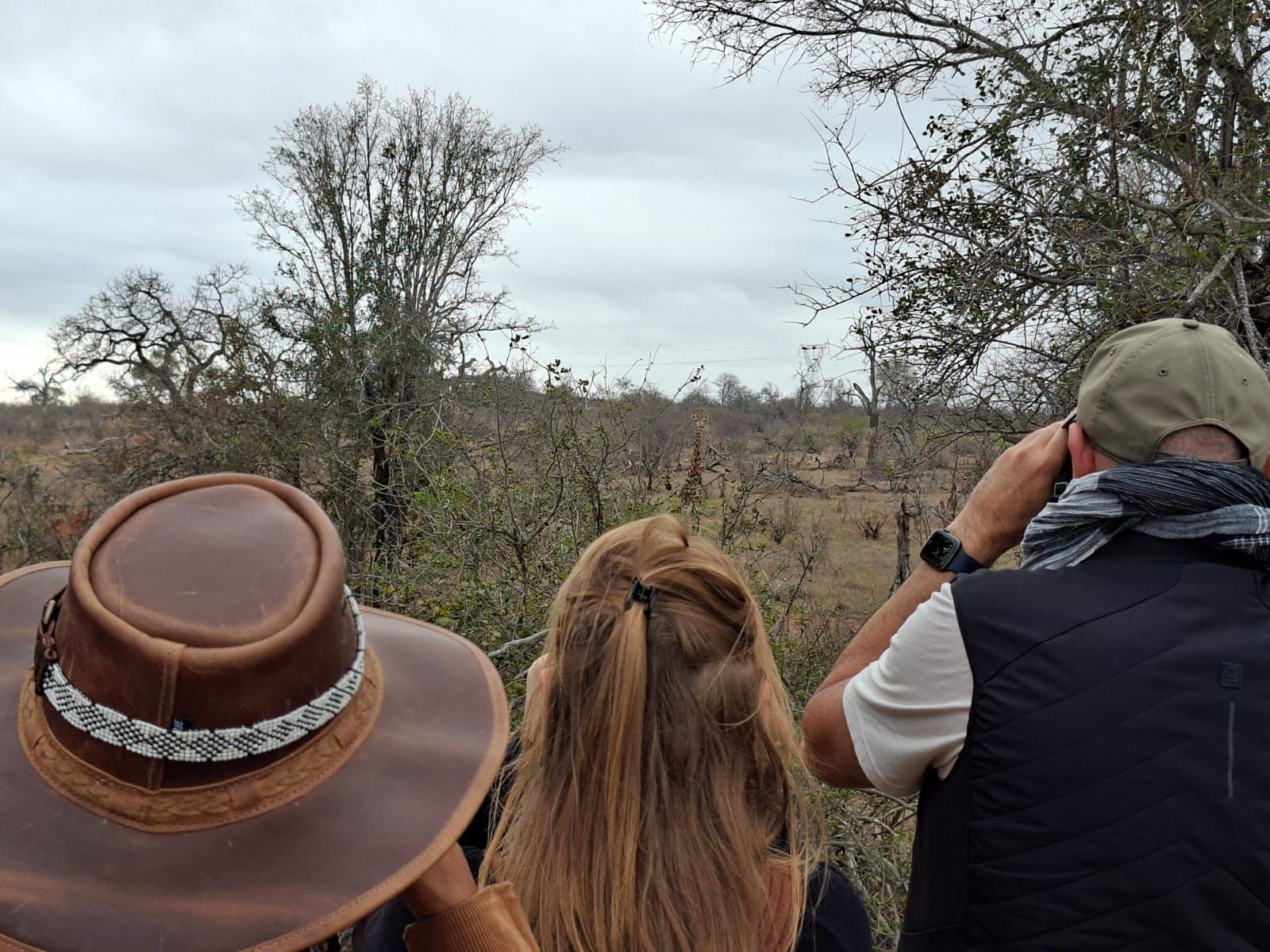
One of the advantages of travelling with an experienced guide is learning to look beyond the obvious. Tracks, calls, insects, plants, birds and animal behaviour all help tell the story of what is happening in the bush.
That broader interpretation is central to how Stones Safaris approaches guided experiences. A safari should not become a race from one Big Five sighting to the next.
Summer Brings New Life and Dramatic Landscapes
The green season is also associated with young animals, although birth periods differ between species and nature does not operate according to fixed tourism dates.
The combination of fresh vegetation, young animals, summer birdlife and dramatic skies can make this an exceptional period for travellers who want to experience the bush as a functioning ecosystem rather than simply maximise the number of large animals they see.
Summer days can be hot, and thunderstorms may affect how a day unfolds. That makes itinerary design particularly important.
Instead of overloading a stay with consecutive full-day excursions, it can make sense to use cooler parts of the day for wildlife activities and leave some flexibility in the programme.
This is one reason our Hoedspruit safari packages are designed around the traveller rather than forcing every guest into the same itinerary.
Best Time to Visit Kruger for Wildlife, Birding and Photography
There is no single safari season that wins every category. The right choice depends on what you most want from the trip.
Best Time for Wildlife Viewing
If your primary objective is seeing Kruger’s larger mammals, the dry season from May through September is generally the strongest choice.
Sparse vegetation improves visibility and restricted water availability can make wildlife movements more predictable. This is particularly useful for first-time safari travellers who have limited time and want to maximise their opportunities for sightings.
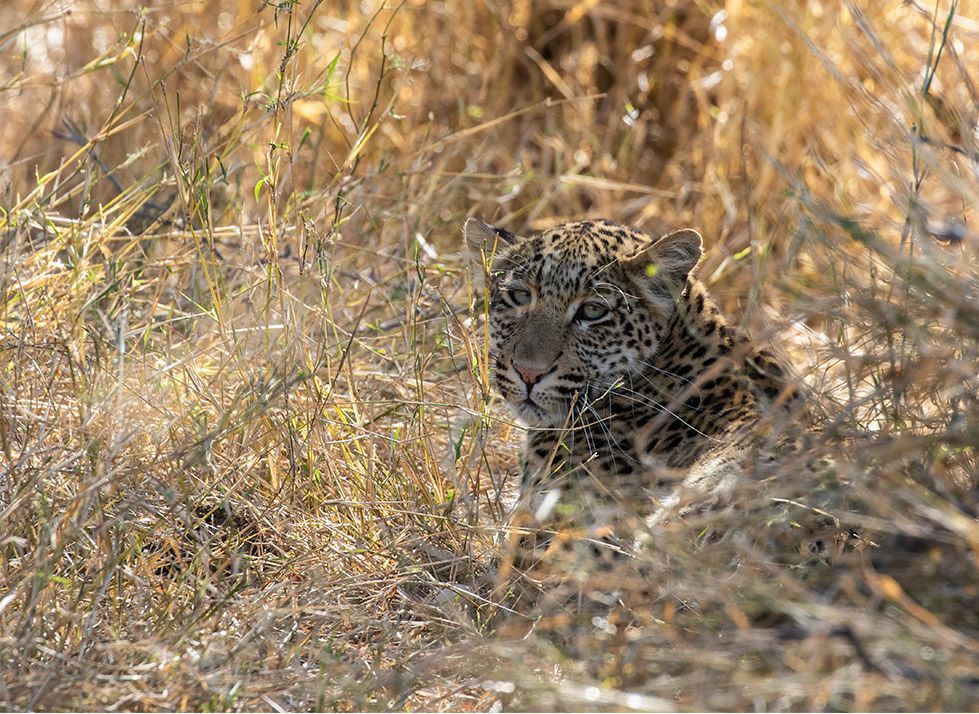
It is still important to keep expectations realistic. Kruger National Park is a natural ecosystem, not a wildlife park with animals positioned for visitors. No ethical safari operator can guarantee a lion, leopard, elephant, rhino or any other wild animal on a particular drive.
What experienced guiding can do is improve how the available time is used by reading tracks, behaviour, habitat, water availability, recent activity and conditions on the day.
Best Time for Birding
For birding, the summer and green-season months are particularly rewarding.
Resident species are joined by summer migrants, while the rains stimulate the wider ecosystem. Insects become more abundant, breeding activity increases and the landscape supports a greater range of seasonal activity.
Travellers who are serious about birds should therefore not automatically assume that the dry winter months are the best time for a Kruger safari.
The answer changes with the objective.
Best Time for Safari Photography
Photography is another area where there is no single correct season.
Dry-season conditions can provide cleaner views of wildlife because there is less vegetation obstructing the subject. Dust, dry grass and winter colours can also create the classic visual style many travellers associate with African safari photography.
The rainy season offers something completely different. Green backgrounds, storm clouds, dramatic skies, fresh landscapes, birdlife and young animals can produce excellent photographic opportunities.
The choice is therefore not simply “good photography versus bad photography”. It is about deciding what kind of Kruger you want to photograph.
For photographers planning several days in the region, we also recommend thinking beyond one type of safari. Different times of day, habitats and experiences can produce very different photographic opportunities.
Choosing the Right Season for Your Kruger Safari
The easiest way to choose when to visit Kruger is to start with your priorities rather than the calendar.
Ask yourself what matters most:
- Is seeing as much wildlife as possible your main objective?
- Is this your first African safari?
- Are birds a major part of the trip?
- Do you prefer green landscapes or classic dry bushveld?
- Are you comfortable with hot summer conditions?
- Are you travelling with children?
- Do you want to photograph wildlife?
- How many days do you actually have in the Kruger area?
- Is Kruger the entire holiday, or one part of a larger South Africa itinerary?
Once those questions are answered, choosing the right season becomes much easier.
This is also where Stones Safaris goes beyond simply booking a game drive.
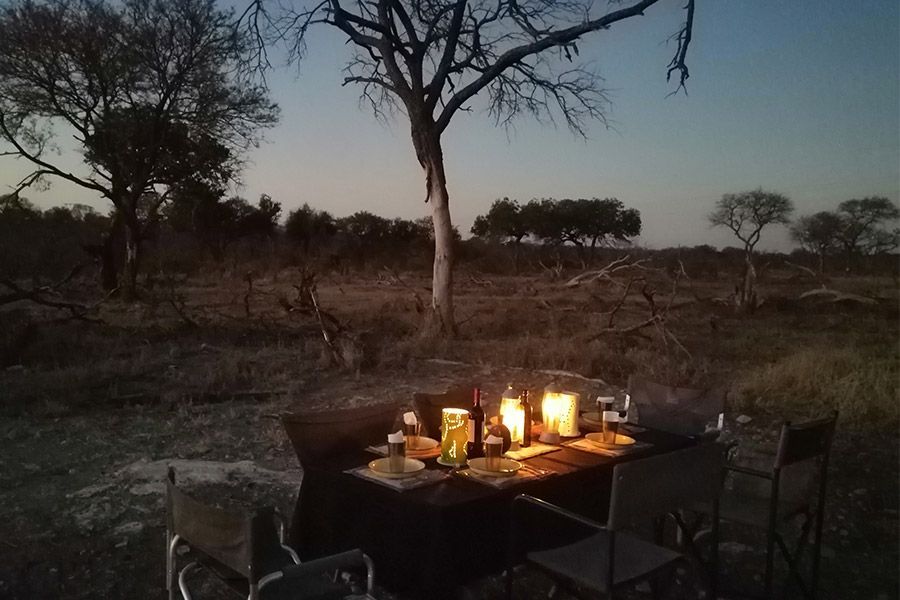
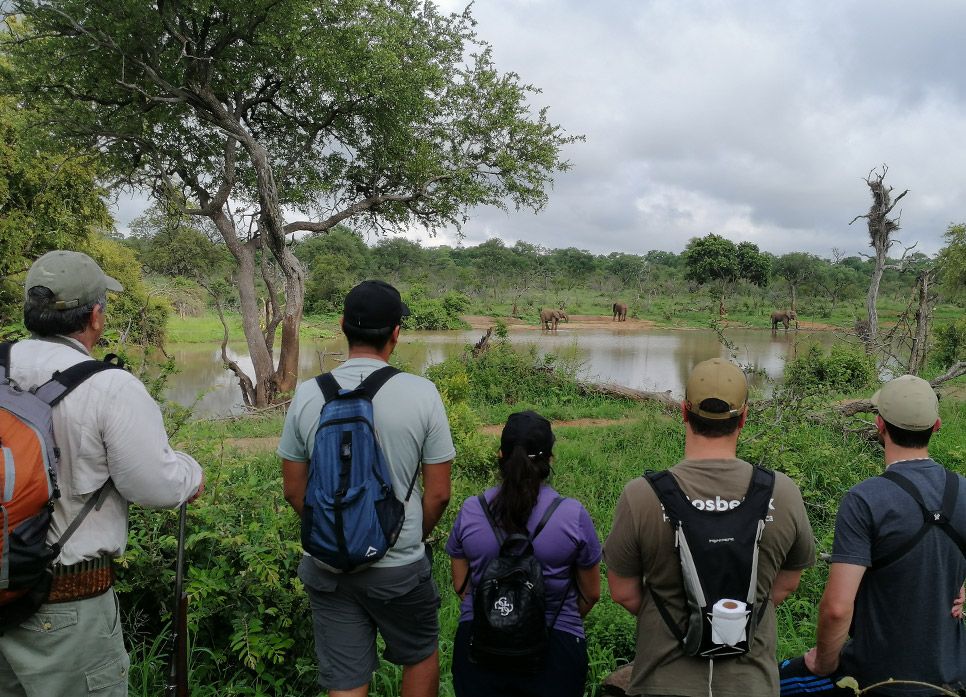
Based in Hoedspruit and operating in Kruger National Park and the surrounding Lowveld, we can help build a safari around the time you actually have available. That may mean combining guided Kruger drives with bush walks, an overnight safari, a sleepout, a bush braai or a scenic day away from the wildlife areas.
It can also mean recognising when not to add another safari drive.
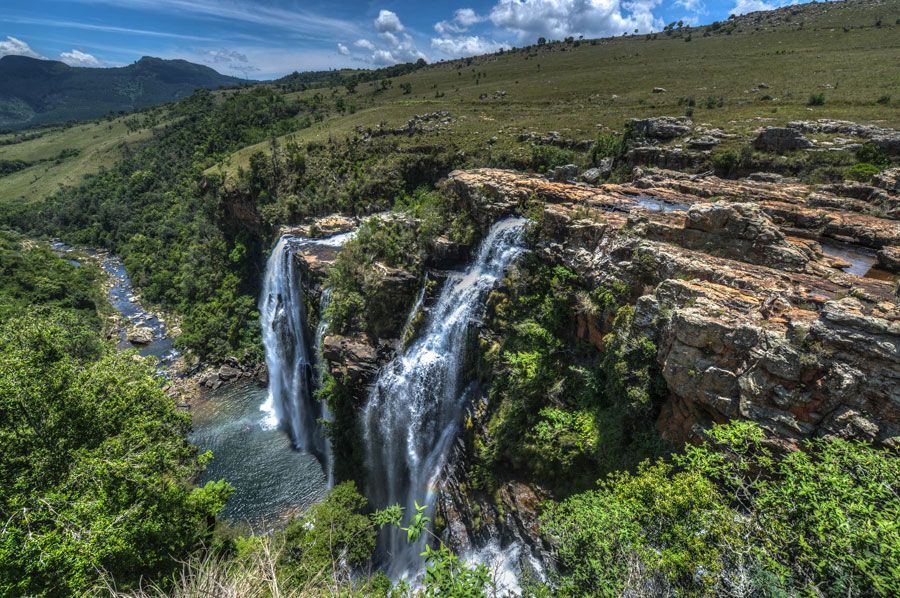
After several days in a vehicle, some travellers benefit from changing the pace. Hoedspruit provides access to Blyde River Canyon, the Panorama Route, conservation experiences and other activities that can add variety to a longer stay. Our guide to the top things to do near Hoedspruit after your safari gives travellers a useful starting point for building those additional days.
A successful safari itinerary should have rhythm.
Early mornings need to be balanced against rest. Full-day drives should make sense within the overall stay. Families may need a different pace from photographers. First-time visitors may want more guided wildlife time, while returning safari travellers may prefer walking, remote bush experiences or slower days.
Season, group, interests and available time all affect those decisions.
That is why the question should not only be, “When is the best time to visit Kruger National Park?” It should also be, “What do I want my Kruger safari to feel like?”
Plan Your Kruger Safari for the Right Time of Year
The best time to visit Kruger National Park is ultimately the time that suits the safari you want to experience.
At Stones Safaris, we help travellers go beyond choosing a date and booking a single activity. We can help shape your time in Kruger and Greater Kruger around your wildlife interests, travel dates, group, preferred pace and the rest of your South Africa journey.
Explore our safari tours and experiences, consider one of our flexible Hoedspruit safari packages, or contact Stones Safaris with your travel dates and ideas.
Tell us when you are travelling, how long you have and what you most want to experience, and we can help build a Kruger safari itinerary around the season rather than asking you to fit your journey into a standard package.
Frequently Asked Questions
What is the best month to visit Kruger National Park?
There is no single best month for every traveller, but September is one of the strongest options for wildlife-focused visitors because it falls near the end of the dry season, when vegetation is sparse and water is limited. June through August are also excellent for wildlife viewing, while travellers interested in green scenery, birdlife and summer activity may prefer November through March.
What is the best time of year to see the Big Five in Kruger?
The Big Five live in Kruger throughout the year, but May to September generally provides favourable viewing conditions because vegetation becomes thinner and wildlife is increasingly influenced by the availability of permanent water. Sightings can never be guaranteed, regardless of season.
Is the dry season or rainy season better for a Kruger safari?
For first-time visitors focused mainly on large mammals, the dry season is generally easier for wildlife viewing. The rainy season offers greener landscapes, excellent birding, seasonal wildlife activity and dramatic summer scenery. Neither season is universally better. They offer different versions of Kruger.
When is Kruger National Park least crowded?
Crowd levels depend on more than the season. South African school holidays, public holidays, long weekends, accommodation availability and the part of the park you visit can all affect visitor numbers. Travellers looking for quieter conditions should consider travelling outside major holiday periods rather than choosing a month based only on expected crowds.
Is Kruger still worth visiting during the rainy season?
Yes. The rainy or green season reveals a very different side of Kruger, with fresh vegetation, summer birdlife, seasonal water, young animals and dramatic landscapes. Wildlife can sometimes be more challenging to spot because vegetation is thicker and animals have more water available across the landscape, but for many travellers the diversity and energy of the season more than compensate.
Enquiry Form

Share This Article On Your Favourite Platform