South Africa Safari in Spring: What to Expect in Greater Kruger

From the Stones to the Stars
An African safari in spring gives you the chance to experience the Kruger region as it shifts from the dry winter months towards the greener summer season. At
Stones Safaris, we use these changing conditions to help guests plan the right combination of
safari tours and experiences, guided time in
Kruger National Park and wider Greater Kruger experiences around their travel dates, interests and available time.
Key Takeaways
- Spring in Greater Kruger is a transition from dry-season conditions towards the greener summer months.
- Wildlife viewing remains strong, but changing vegetation and water availability can influence where animals are found.
- Birdlife, new growth and the return of rain add a different dimension to a spring safari.
- The best spring itinerary depends on your travel dates, available time, wildlife interests and how Greater Kruger fits into your wider South Africa trip.
Why Visit Greater Kruger from September to November?
Spring is one of the most interesting periods to plan a Greater Kruger safari because you are not visiting during one fixed set of conditions.
You are travelling through a transition.
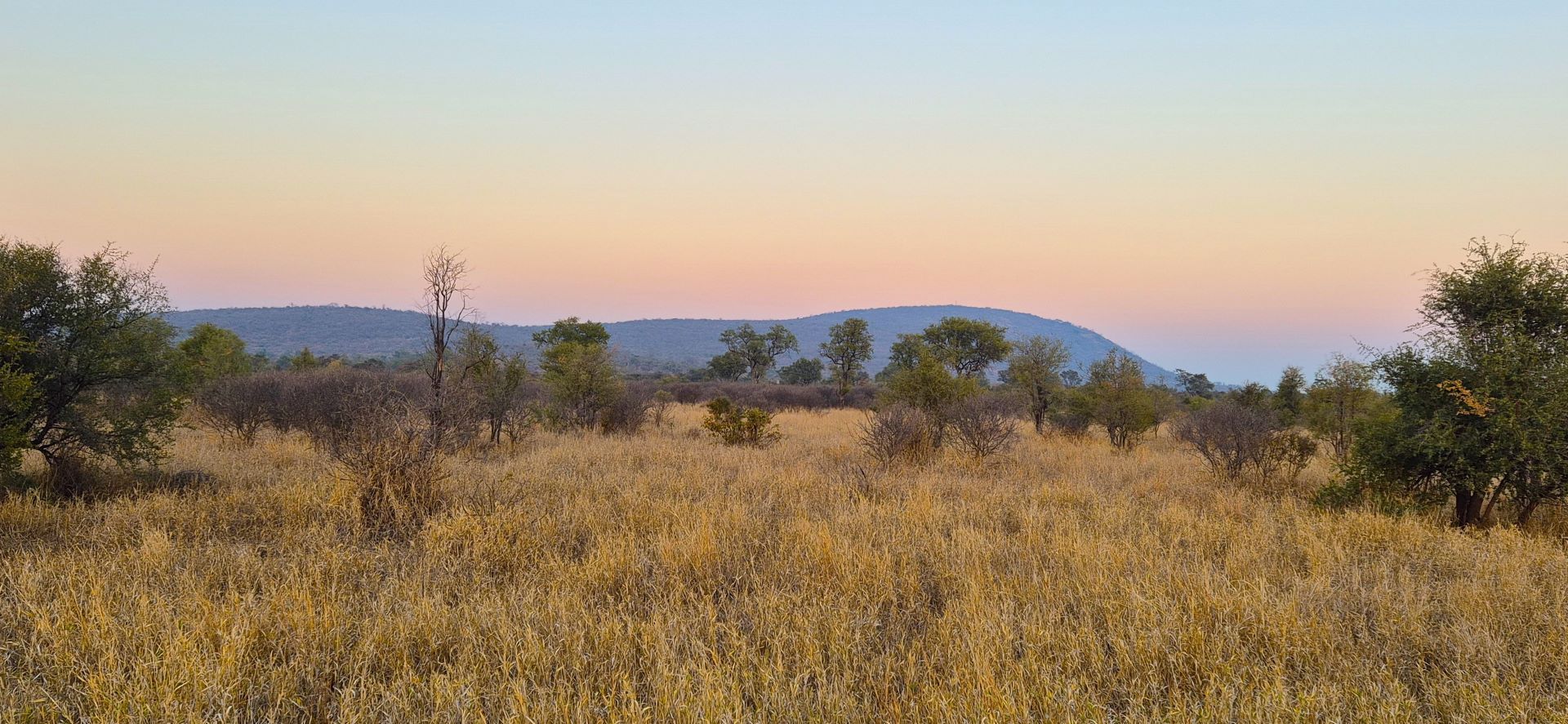
September generally retains many of the characteristics that make the dry season so popular for safari. The bush has experienced months of limited rainfall, grasses are dry and vegetation is comparatively sparse. Permanent rivers, dams and waterholes remain important to wildlife, and the more open landscape can make animals easier to see.
As spring progresses, daytime temperatures increase and the first significant rains begin changing the environment. New grass appears, trees produce fresh leaves and water becomes more widely available across the landscape.
For travellers, this means two visits only a few days apart can feel quite different.
That is important when deciding when to book a South Africa safari holiday. Travellers often ask for the “best time” to come, but the better question is what they want from the safari.
If seeing large mammals in relatively open vegetation is the priority, the earlier part of spring can be very attractive. If green landscapes, birdlife, summer activity and the changing ecosystem appeal more, later spring brings a different set of rewards.
At Stones Safaris, we consider these factors when planning each trip rather than simply recommending the same safari schedule throughout the year.
A first-time visitor with three days available may want to concentrate heavily on guided wildlife viewing. Someone spending a week around Hoedspruit can afford to slow the pace and combine Kruger with walking, other bush experiences or a day exploring the wider region.
This is also why it helps to understand the term Greater Kruger.
International travellers usually begin their research with Kruger National Park. Greater Kruger refers more broadly to the wildlife and safari region surrounding the park, including private reserves and conservation areas that form part of the wider Lowveld ecosystem.
Hoedspruit sits at the heart of this safari region and provides a useful base for travellers who want access to Kruger National Park while also experiencing more of the surrounding bushveld.
For guests looking for a safari near Hoedspruit, this creates far more choice than simply deciding how many times to drive into Kruger.
What Happens to the Bush as the Seasons Change?
To understand a spring safari, it helps to understand what has happened before you arrive.
Kruger National Park's dry season broadly runs from April to September. As winter progresses, rainfall is limited, grasses dry and many trees lose foliage. Natural water becomes less widely distributed, causing animals to depend increasingly on reliable rivers, dams and waterholes.
This is one reason winter is traditionally associated with strong wildlife viewing.
Spring begins while those dry conditions are still very much part of the landscape.
The Lowveld does not suddenly become green because the calendar reaches September. Early spring can remain dry, dusty and open, particularly when meaningful rain has not yet fallen.
For safari travellers, these conditions can be productive. Guides can see further into woodland, tracks may be easier to interpret along dusty roads, and knowledge of permanent water becomes particularly useful when deciding where to spend time.
But the bush is not static.
Temperatures begin climbing. Certain plants respond to longer days and warmer conditions. Clouds start building. Eventually rainfall starts providing the moisture needed for the landscape to respond.
When sufficient rain arrives, the change can be remarkably quick.
Areas that appeared dry and almost dormant begin producing fresh grass. Trees push new leaves. Seasonal pans and drainage lines begin holding water again. Insects become more active, and the sounds and colours of the bush start changing.
This is one of the reasons we do not view safari seasons simply as “good” and “bad”.
The dry bush makes certain aspects of wildlife viewing easier. The greener bush reveals other parts of the ecosystem.
For Stones Safaris, both matter.
Our approach to a Kruger National Park safari is not based on chasing a list of animals as quickly as possible. Our guides use habitat, tracks, wildlife behaviour, water, bird calls and what is happening in the environment to build a fuller picture of the bush.
Spring makes those relationships particularly visible because the landscape itself is changing.
Wildlife Viewing During the Transition to the Green Season
One of the most common concerns travellers have about visiting outside the driest winter months is whether they will still see wildlife.
The answer is yes.
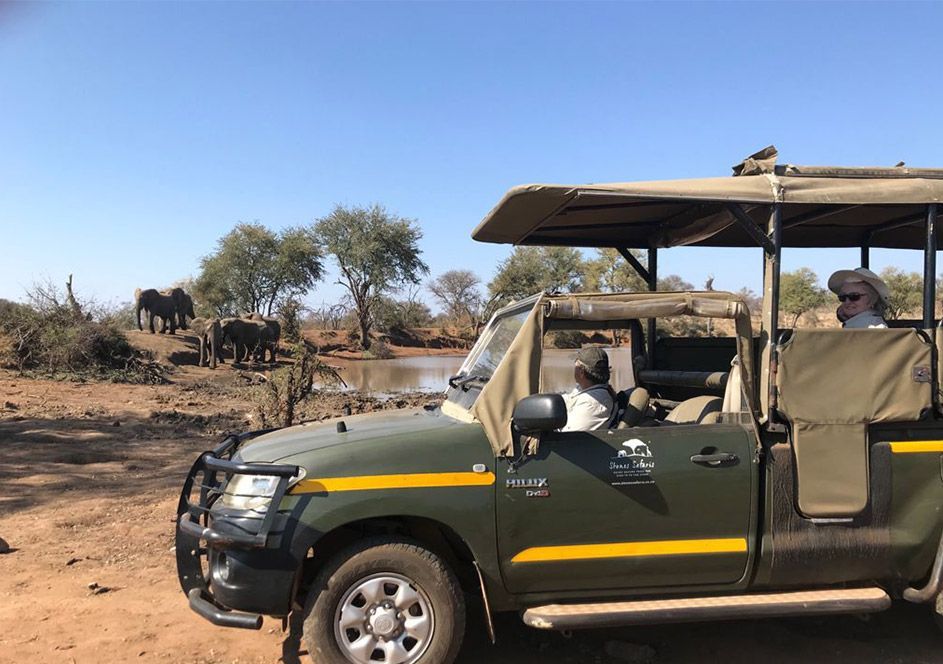
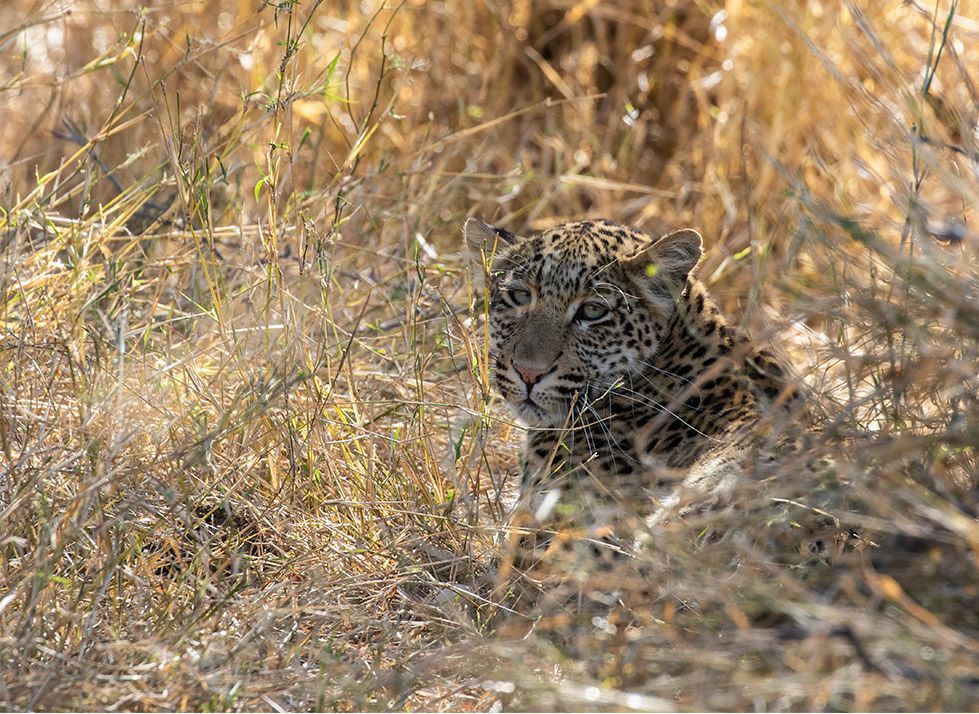
Kruger and the wider Greater Kruger ecosystem support wildlife throughout the year. Lions, elephants, leopards, buffalo, rhinos, giraffes, zebras, wild dogs, hyenas and numerous antelope species do not disappear when vegetation becomes green.
What changes is how wildlife is distributed and how guides search for it.
During the driest part of the year, permanent water can act as an important focal point. As rainfall returns and temporary water becomes available elsewhere, animals have more options and can disperse more widely.
At the same time, vegetation begins thickening.
This can make some animals harder to see from a distance, but it also creates a more dynamic environment. Fresh vegetation affects grazing and browsing. Increased insect activity changes bird behaviour. Water appears in places that may have been dry for months.
A good safari therefore becomes less about following a fixed route and more about interpreting the conditions on the day.
This is where local guiding matters.
An experienced guide considers where water is available, which habitats are productive, recent wildlife activity, tracks, alarm calls, weather conditions and the time of day. There is never a guarantee of a particular wild animal, but understanding the landscape improves how your safari time is used.
It is also why we encourage travellers to think carefully about the length of their stay.
Trying to experience Kruger in a few rushed hours places pressure on every sighting. Spending several days in the region allows the safari to unfold more naturally.
One morning may produce elephants around water. Another may be dominated by plains game and birdlife. A predator sighting may happen unexpectedly while looking for something completely different.
That unpredictability is part of a real safari.
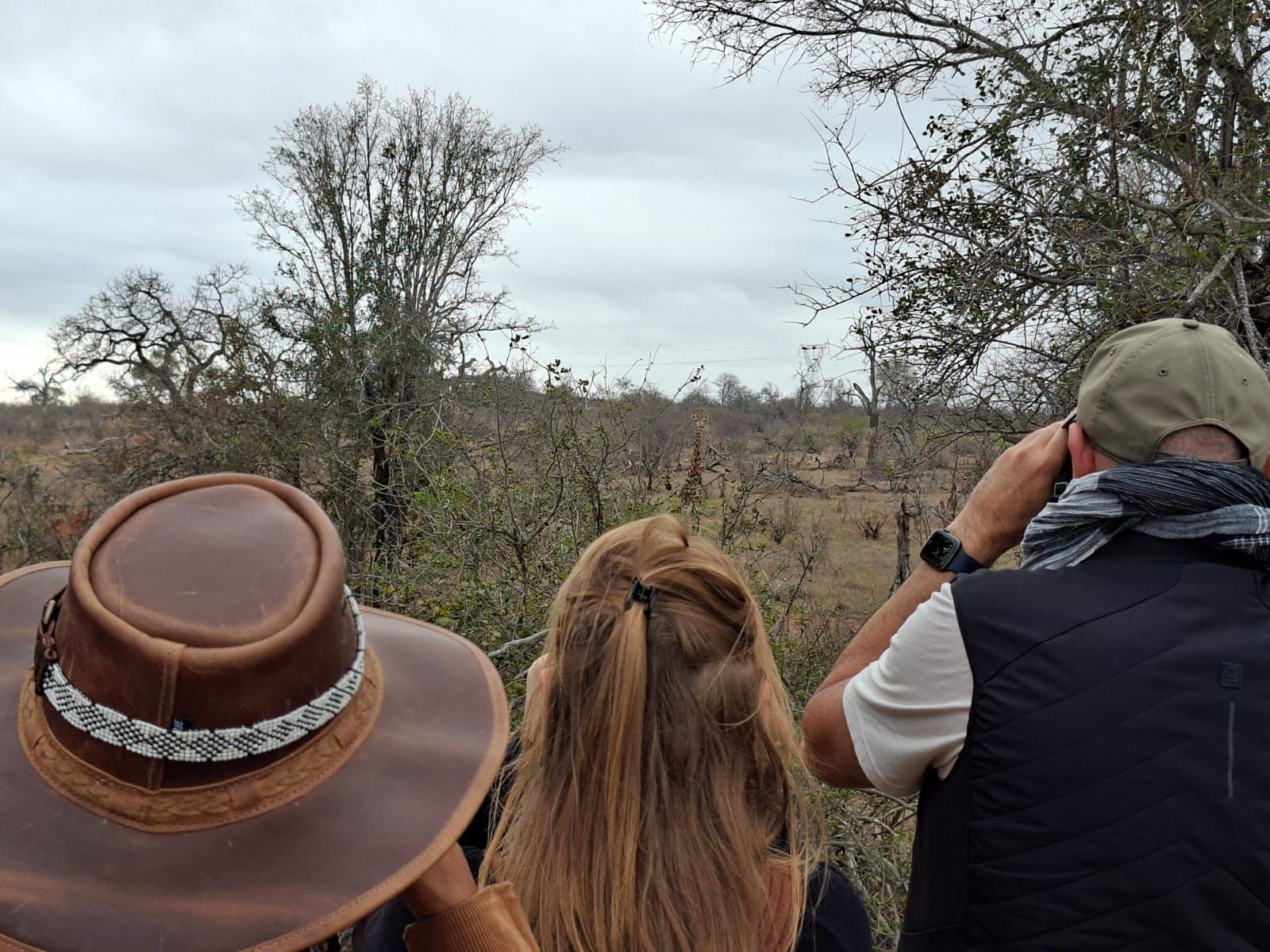
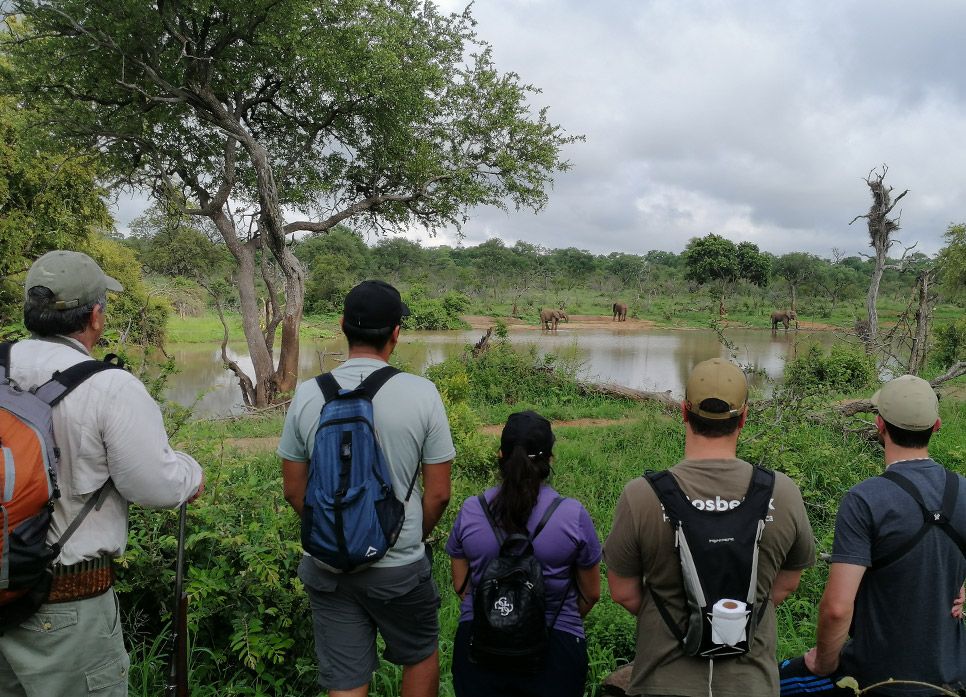
For many first-time travellers, combining different types of experiences also creates a better understanding of the region. A guided vehicle safari allows you to cover greater distances and move through different habitats. A bush walk slows everything down and shifts the focus towards tracks, plants, insects, sounds and details that are easily missed from a vehicle.
Stones Safaris offers both day experiences and longer safari options through our safari tours and experiences, allowing us to build the programme around how much time each guest actually has.
New Growth, Birdlife and the Return of the Rains
The return of rain is about far more than getting wet on safari.
Rain activates the entire ecosystem.
Fresh grass provides new grazing. Trees and shrubs put out leaves. Insects become increasingly visible. Frogs respond to water. Birds become more active, and seasonal migrants begin adding new species to an already diverse birding destination.
Kruger National Park records more than 500 bird species, making birdlife an important part of a safari even for travellers who do not consider themselves birders before arriving.
Spring begins changing what guests hear and see.
For someone focused only on the Big Five, a roller, bee-eater or eagle may initially seem secondary to finding a lion. Spend several days with a guide, however, and birdlife starts helping you understand the landscape.
Bird calls can reveal changes in behaviour. Vultures can draw attention to activity in an area. Oxpeckers have close relationships with large mammals. Migratory species tell their own story about seasonal movement across continents.
This broader interpretation is part of what turns a safari from wildlife spotting into an understanding of the environment.
The first rains can also produce dramatic changes in the character of a safari day.
A hot afternoon may build towards a thunderstorm. Dust settles after rain. The smell of wet earth replaces the dryness of winter, and fresh vegetation begins appearing across areas that looked completely different only days earlier.
There are practical implications too.
Rain can temporarily alter road conditions and visibility. Wildlife may move differently. A planned route may need to change according to conditions.
This is why flexibility is important when putting together a spring itinerary.
Rather than scheduling every available hour with an activity, we look at the balance of the trip. A full day in Kruger can be followed by a slower morning. A bush walk can provide a completely different perspective from another vehicle-based safari. A scenic day outside the park can give guests a break before returning to wildlife-focused activities.
For travellers coming from Europe, North America or elsewhere overseas, this is often one of the biggest itinerary decisions: how much safari is enough?
There is no universal answer.
Some guests would happily spend every available day looking for wildlife. Others find that three or four intensive safari days followed by a different experience produces a better overall holiday.
Knowing that before arrival helps us build the right journey.
How to Include Greater Kruger in Your South Africa Safari
For most international travellers, a Greater Kruger safari is one part of a larger trip to South Africa.
That changes how the safari should be planned.
A traveller spending ten or fourteen days in the country may be balancing safari with Cape Town, the coast, the Winelands or other destinations. Adding unnecessary transfers or trying to fit too many places into the journey can quickly reduce the amount of time actually spent experiencing them.
Kruger therefore needs to fit into the wider itinerary logically.
Start With How Many Days You Have
Before choosing activities, decide how much time you can realistically allocate to the Kruger region.
For a first safari, several days usually provide a more satisfying experience than a single rushed visit because wildlife viewing is inherently unpredictable.
With additional time, the itinerary can become more varied.
Instead of repeating the same type of game drive every day, guests can combine a guided Kruger safari with a walk, slower bush experience or an excursion beyond the wildlife areas.
Decide What You Actually Want From Safari
Not every traveller arrives with the same priorities.
Some want the best possible opportunity to see the Big Five. Some want to photograph wildlife. Families may need a programme that works around younger children. Birders may happily spend substantial time on species other travellers would drive past.
Returning safari guests often want something different again.
They may already have completed traditional game drives and want to spend more time walking, understanding tracking, sleeping closer to the bush or simply travelling at a slower pace.
At Stones Safaris, we build around those differences.
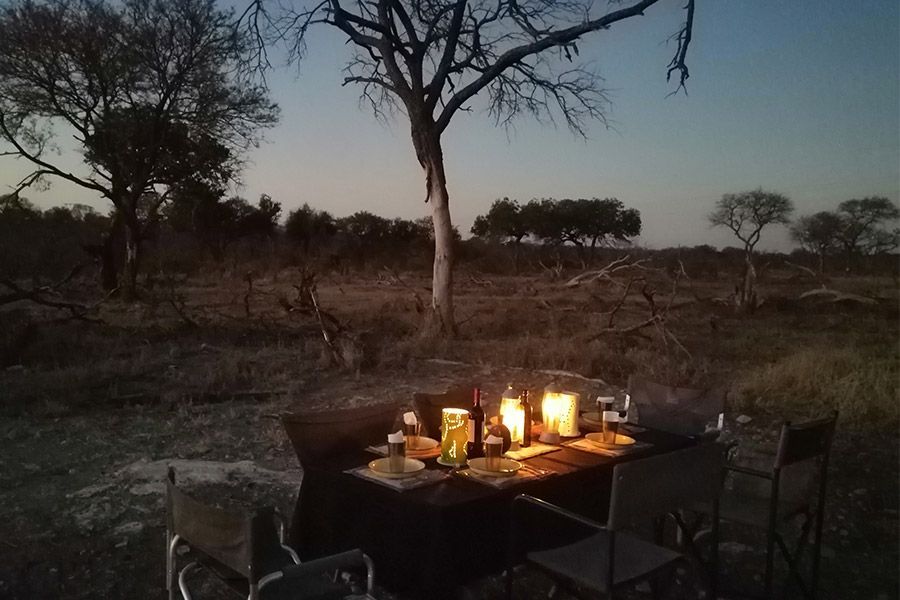
Our safari offering includes guided Kruger drives, bush walks, bush braais, sleepouts and multi-day experiences, rather than treating every visitor as if they have come to do exactly the same thing.
Use Hoedspruit as More Than an Arrival Point
Hoedspruit is often seen by international travellers primarily as a gateway to safari.
It is much more useful when viewed as a base.
From here, travellers can access Kruger National Park and other safari areas while also being well positioned for experiences across the Lowveld.
That flexibility becomes particularly valuable for longer stays.
A traveller may spend one day in Kruger, another exploring the bush on foot, and another travelling towards Blyde River Canyon and the Panorama Route. This creates variation without constantly packing bags and changing accommodation.
For travellers searching for a safari near Hoedspruit, that combination of accessibility and choice is one of the area's major advantages.
Leave Space for the Season
A spring itinerary should also have some flexibility built into it.
You cannot schedule the first rain.
You cannot guarantee that wildlife will be in a particular location.
And you cannot predict exactly how far the green season will have progressed by a specific travel date months in advance.
A well-built safari itinerary works with that uncertainty rather than pretending it does not exist.
This is why local knowledge becomes valuable when travellers move from online research to actual planning.
We can look at your dates, how many days you have, what you want to experience and where you are travelling before and afterwards. From there, we can recommend the combination of activities that makes sense rather than simply filling every available day.
Start Planning Your Spring Safari in Greater Kruger
Spring is not simply a date on the South African calendar. In Greater Kruger, it is a period of change, and that change can shape how you plan your safari.
At Stones Safaris, we use our local knowledge of Hoedspruit, Kruger National Park and the surrounding safari region to help travellers decide how many days they need, which experiences suit their interests and how the safari should fit into the rest of their South Africa holiday.
You may want several wildlife-focused days in Kruger. You may prefer to combine a game drive with walking and a slower bush experience. Or you may be building a larger South Africa itinerary and need help deciding where safari fits into the journey.
Explore our safari tours and experiences, or contact Stones Safaris with your travel dates, number of guests and the type of safari you have in mind.
We can then help turn those dates into a Greater Kruger itinerary built around the season, your interests and the way you want to experience the African bush.
Frequently Asked Questions
What is the best time of year for a safari in South Africa?
There is no single best time for every South Africa safari because conditions vary by region and traveller priorities. In Kruger, the dry winter months are traditionally excellent for wildlife viewing because vegetation is thinner and water is more limited. Spring offers a transition between those dry conditions and the greener summer months, making it attractive for travellers who want wildlife viewing alongside changing landscapes and increasing bird activity.
How many days do you need for a Greater Kruger safari?
For first-time visitors, we generally recommend allowing several days rather than treating Kruger as a single-day attraction. Three to five days gives travellers more opportunity to experience changing wildlife conditions and different habitats without placing pressure on one game drive to deliver everything. Travellers with more time can combine vehicle safaris with walks and other experiences around Hoedspruit.
What wildlife can you see in Greater Kruger?
The Kruger ecosystem supports the Big Five — lion, leopard, elephant, rhino and buffalo — as well as cheetah, African wild dog, giraffe, zebra, hippo, hyena, numerous antelope species and extensive birdlife. Wildlife is free-ranging, so no particular sighting can be guaranteed. The experience is about understanding and exploring a functioning wild ecosystem rather than ticking animals off a predetermined list.
Does rain affect wildlife viewing on safari?
Rain can change wildlife viewing, but it does not stop safari. As water becomes more widely available and vegetation thickens, animals may disperse and some sightings become more challenging. At the same time, the rains bring fresh vegetation, increased bird and insect activity and a greener landscape. Guides adapt routes and search strategies according to conditions.
What should you pack for a South Africa safari?
For a spring safari in the Kruger region, pack lightweight, neutral-coloured clothing for warmer daytime conditions together with layers for cooler early mornings. A light rain jacket becomes increasingly useful as the season progresses. Comfortable closed shoes, sun protection, a hat, reusable water bottle, binoculars and camera equipment are useful additions. Avoid overpacking specialised “safari clothing”; practical, comfortable clothing is more important.
Enquiry Form

Share This Article On Your Favourite Platform