How to Plan the Perfect Kruger Safari Itinerary

From the Stones to the Stars
The perfect Kruger safari itinerary balances enough time for wildlife with the right mix of places, activities and slower bush days. At
Stones Safaris, we help travellers build personalised journeys using our
safari tours and experiences, guided time in
Kruger National Park and the wider Greater Kruger region. If you already have travel dates, you can also
contact us to start shaping your itinerary.
Key Takeaways
- Four to seven days is a strong starting point for most first-time Kruger travellers.
- Kruger National Park and Greater Kruger offer different safari styles and can work well together.
- A good itinerary should mix wildlife viewing with different experiences and enough downtime.
- The best route depends on your interests, season, accommodation, travel pace and wider South Africa plans.
How Many Days Do You Need for a Kruger Safari?
One of the first questions we hear is: how many days in Kruger is enough? There is no universal number, but trying to see too much in too little time is one of the easiest ways to make a safari feel rushed.
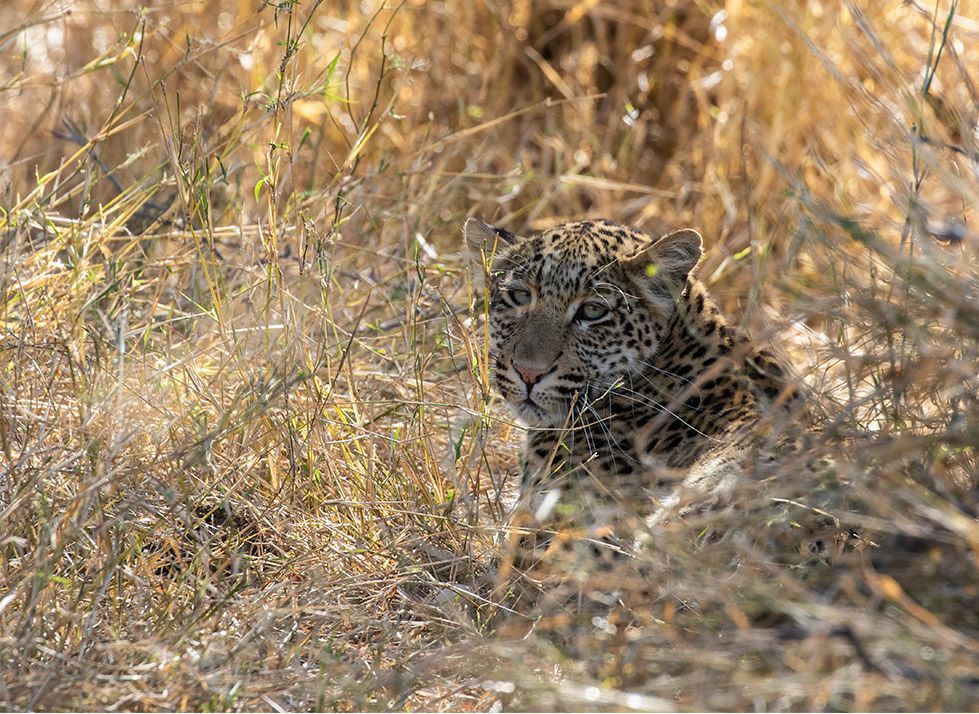
Kruger National Park is vast, and wildlife viewing does not work like conventional sightseeing. You cannot schedule a leopard for Tuesday morning, an elephant herd after lunch and lions before sunset. Some drives produce several exceptional sightings, while others unfold slowly and reward patience. That unpredictability is part of the safari experience, which is why allowing enough time matters.
For travellers with only two or three days, a focused itinerary can still provide a genuine introduction to Kruger. In that case, we would usually recommend concentrating on one area rather than trying to cover large distances. A full-day guided safari can also be valuable when time is limited because the day can be planned around wildlife activity rather than simply moving from point A to point B.
Four to five days gives a first-time visitor more breathing room. You have several opportunities for wildlife viewing, can experience different times of day and can begin combining game drives with another way of experiencing the bush. Six or seven days creates even more flexibility and allows you to change the rhythm of the trip with a bush walk, sleepout, private reserve experience or a day exploring the wider Lowveld.
Longer does not automatically mean better. A well-planned five-day Kruger National Park itinerary can be far more rewarding than a ten-day trip that involves constantly changing accommodation, driving long distances and trying to fit every activity into the schedule.
Arrival and departure days also need to be treated realistically. If your flight lands in Hoedspruit during the afternoon, that should not automatically be counted as a full safari day. The same applies when you need to reach an airport, move between lodges or continue to another South African destination. Those movements should be built into the itinerary from the start.
What Should a Kruger Safari Itinerary Include?
A good Kruger safari itinerary should do more than fill every available day with game drives. Wildlife viewing will naturally form the core of most first-time safaris, but the strongest itineraries also create different ways to experience the landscape.
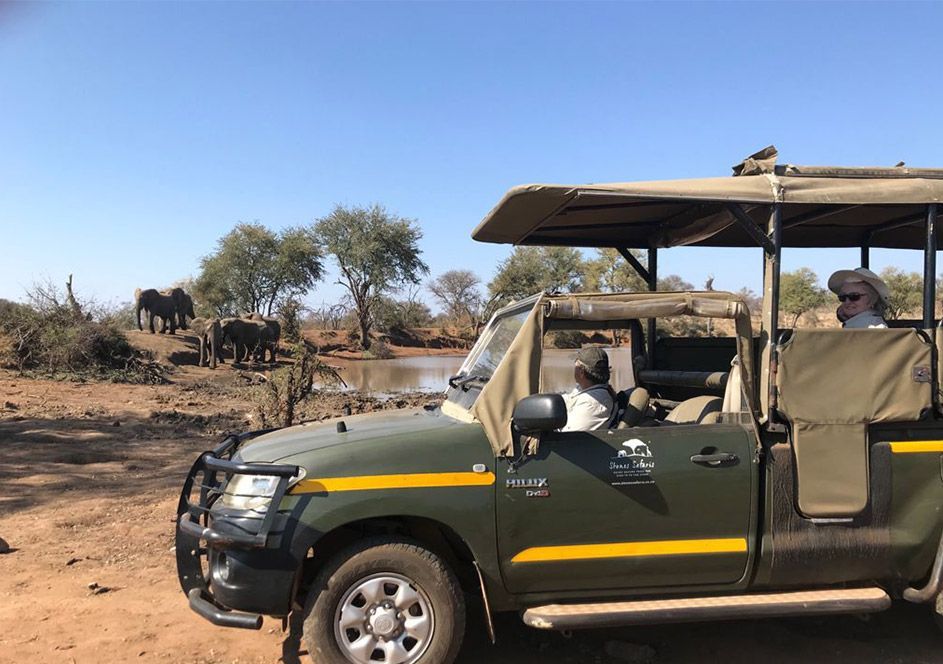
A guided Kruger National Park safari allows you to cover substantial ground while an experienced guide interprets tracks, behaviour, calls, habitat and what is happening in the bush. That can add far more value than simply driving from one sighting to the next.
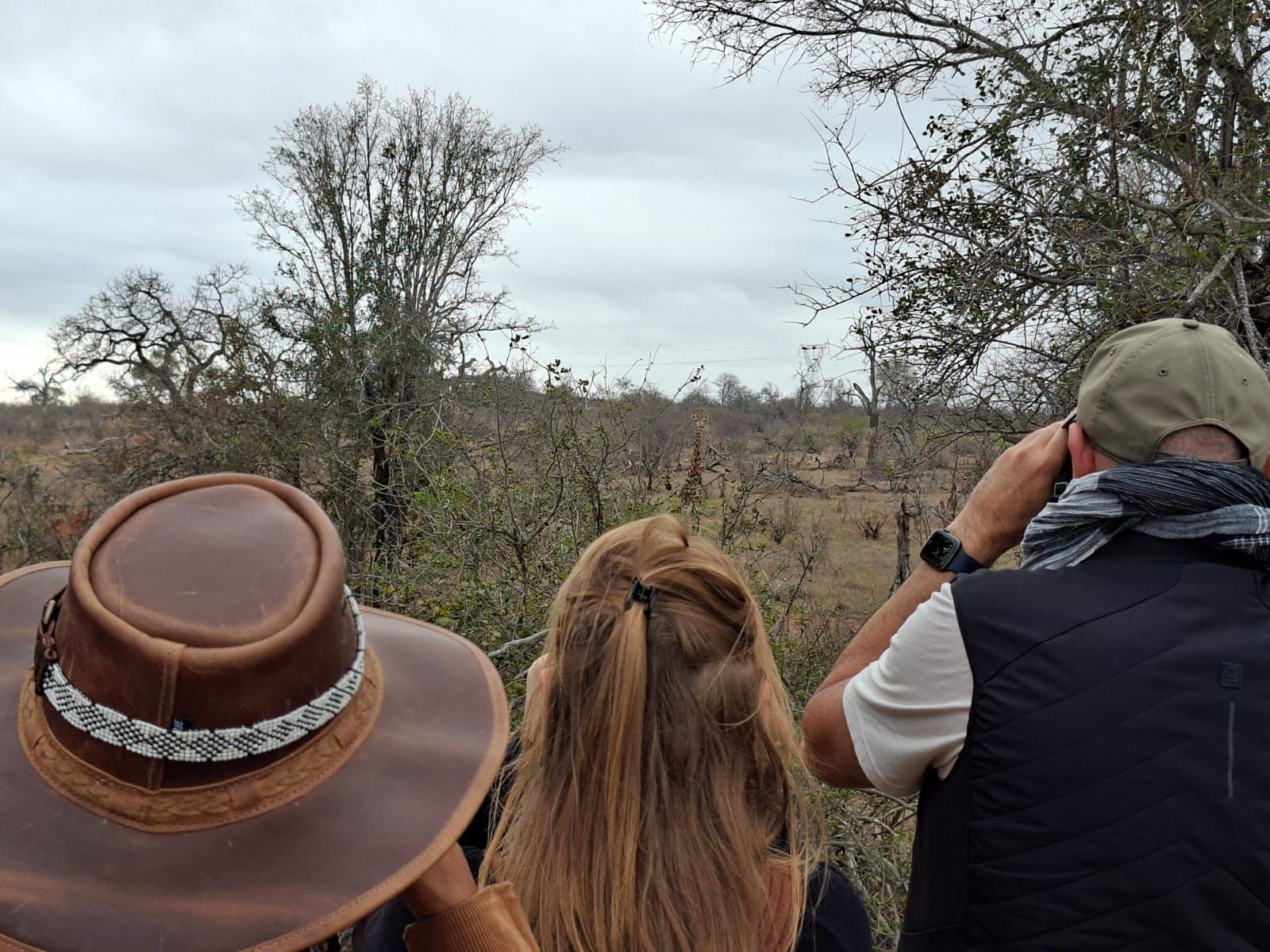
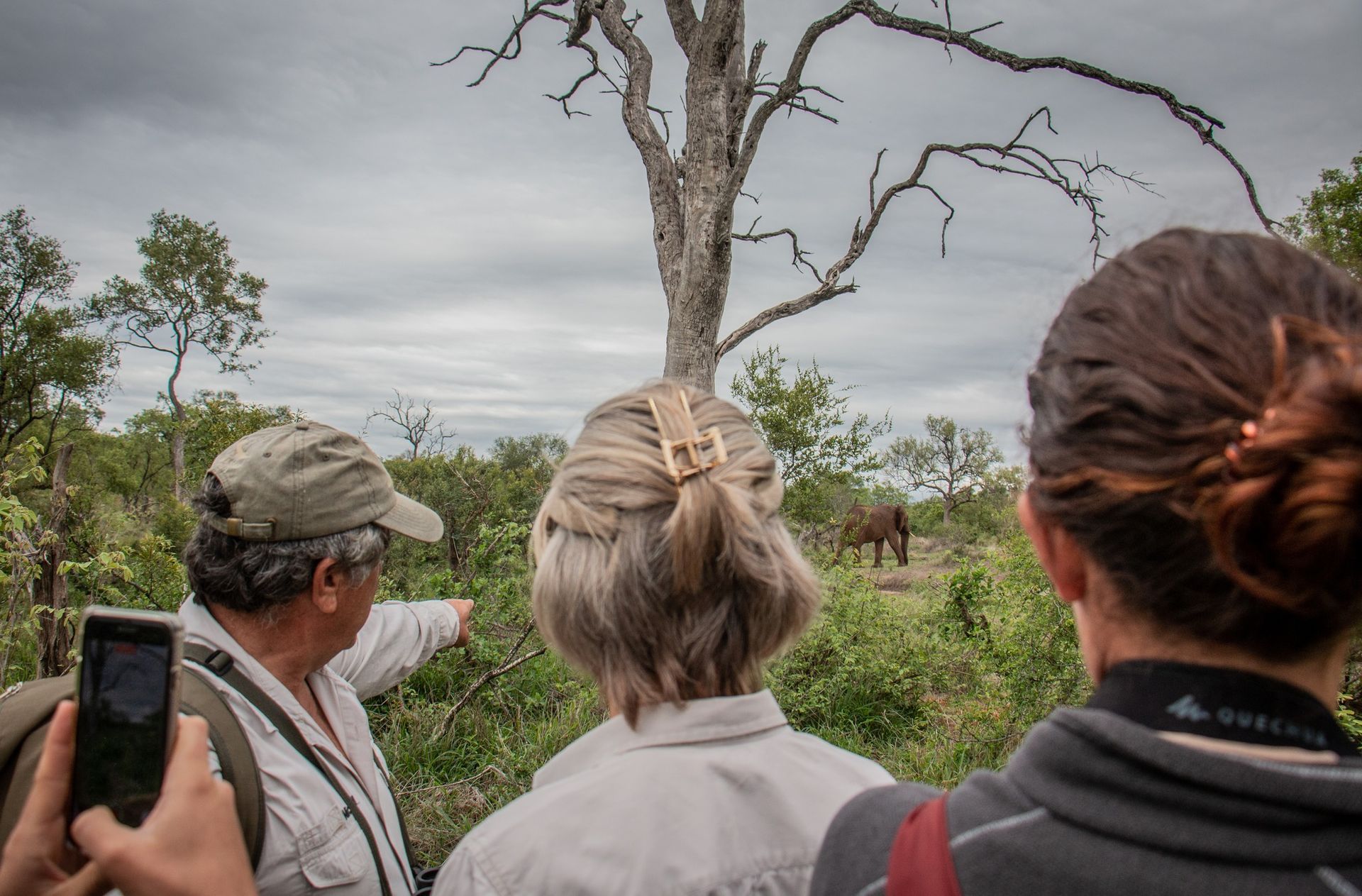
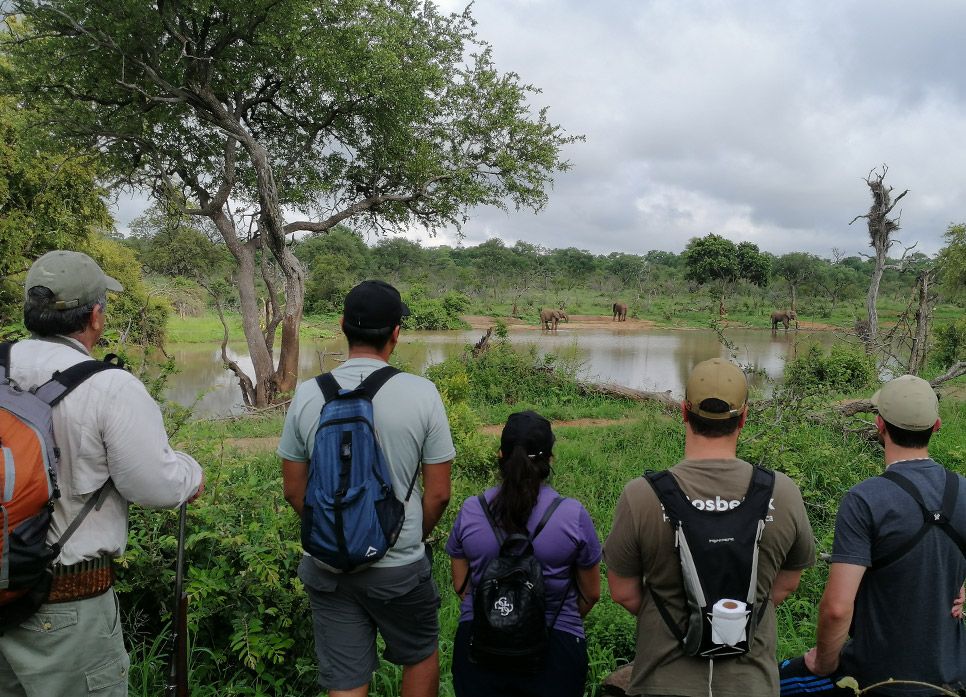
Walking changes the experience completely. On foot, the focus shifts away from how much distance you can cover and towards what is directly around you. Tracks, plants, birds, insects, dung, sounds and signs of wildlife movement become much more important. It is a slower way to experience the same environment, and for many travellers it becomes one of the most memorable parts of the trip.
The itinerary should also include time to stop. Early mornings are part of safari, but stacking sunrise starts, full-day drives and evening activities back-to-back can become tiring surprisingly quickly, especially for families or travellers arriving after a long international journey. We often recommend creating a natural rhythm, with more intensive wildlife days balanced by quieter periods.
Where you stay also influences what the itinerary should look like. Accommodation inside Kruger can work well for travellers who want to spend most of their time in the national park or who plan to self-drive. Staying around Hoedspruit or elsewhere in Greater Kruger can make it easier to combine different reserves, bush walks, private experiences and regional activities.
Season should also be part of the planning. Dry-season conditions generally bring thinner vegetation and wildlife that is more dependent on permanent water, while the rainy season brings greener landscapes, birdlife and a different set of wildlife dynamics. The goal is not to find one universally perfect month, but to choose conditions that match what you want from the trip.
How to Combine Kruger National Park and Greater Kruger
International travellers often begin their research with “Kruger National Park” and then encounter the term Greater Kruger. They are connected, but they are not the same thing.
Kruger National Park is the national park itself, with its own gates, rest camps, extensive road network and public safari areas. Greater Kruger is commonly used to describe the wider safari region around Kruger, including private reserves, conservation areas and safari destinations around towns such as Hoedspruit.
The distinction matters because the safari style can differ. Inside Kruger National Park, travellers can self-drive or join guided safaris, and the scale of the park allows you to spend full days moving through different habitats. Private safari areas generally offer a different style of guided experience, often with smaller groups and a stronger focus on interpretation, tracking and bush immersion.
You do not necessarily need to choose between the two. For many travellers, combining Kruger National Park with experiences elsewhere in Greater Kruger creates a stronger South Africa safari itinerary.
You might spend several days exploring Kruger and then change the pace with a bush walk, sleepout or another guided experience closer to Hoedspruit. Alternatively, you can stay in the wider Greater Kruger area and include dedicated Kruger days within a broader regional itinerary.
This approach works particularly well for travellers who do not want every day to feel the same. It is also useful for returning safari guests who may already know the traditional game-drive experience and want to explore the bush differently.
At Stones Safaris, this is how we prefer to think about itinerary building. The goal is not to fit the maximum number of activities into your available time. The goal is to make sure each part of the trip adds something meaningful.
Game Drives, Bush Walks and Experiences to Add to Your Trip
A Kruger safari usually starts with a game drive, and for good reason. Travelling in a safari vehicle allows you to cover large areas, move through different habitats and spend time searching for animals that may have moved many kilometres since the previous day.
Our safari tours and experiences include full-day and shorter guided drives, walking experiences and more immersive options that can be combined according to the traveller.
A full-day Kruger safari gives you more time and flexibility. Instead of needing to return once the morning activity slows down, you can move deeper into the park, explore different areas and stay responsive to what wildlife is doing. Shorter sunrise or sunset experiences can work well when combined with other activities or when travellers do not want to spend an entire day in a vehicle.
A guided bush walk changes the focus completely. The objective is no longer to cover distance or chase sightings. Instead, you begin to understand how guides read tracks, interpret signs and connect animal behaviour with the surrounding environment.
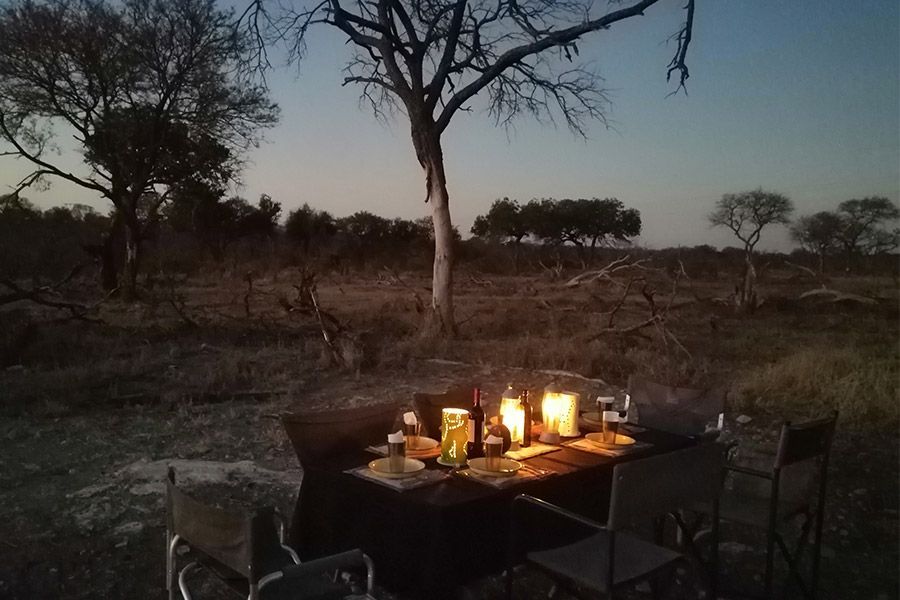
Then there are experiences built around spending more time in the bush rather than simply driving through it. Stones Safaris offers bush braais, sleepouts and multi-day experiences for travellers who want something beyond a conventional game-drive schedule.
For a first safari, we usually recommend keeping the structure fairly simple. Build the trip around strong wildlife-viewing time first, then add one or two experiences that change the pace or perspective. Trying to book every available activity can work against the reason you came to the bush in the first place.
A good itinerary should leave enough room to spend longer with an elephant herd, stop for an interesting bird sighting or enjoy a quiet afternoon after an early start. Safari should have space for things you did not plan.
How to Build a Kruger Safari Around Your Travel Style
There is no single Kruger National Park itinerary that works for everyone. The best structure depends on how you travel, what you want to see and how Kruger fits into the rest of your trip.
For first-time safari travellers, we would usually place guided wildlife experiences at the centre of the itinerary. A professional guide adds far more than help finding animals. Guides interpret behaviour, tracks, habitat and relationships between species, which can completely change how you understand what you are seeing. Four to five well-planned days can give first-time visitors several opportunities for wildlife viewing without requiring the entire holiday to revolve around safari.
Photographers often benefit from a slower itinerary. Light, positioning and time with a sighting can matter more than the number of species seen, so a packed schedule can become counterproductive. Season is also important. Dry conditions can provide clearer views, while the rainy season brings green backgrounds, dramatic skies, bird activity and young animals.
Family safari itineraries need a different pace again. Adults may happily spend most of the day in a vehicle, while younger children may not. A good family itinerary should combine wildlife experiences with rest time and activities that allow children to engage with the bush differently. Children often notice things adults overlook, from dung beetles and monkeys to giraffes crossing the road or tracks around camp.
Returning safari travellers may want something different from another sequence of conventional game drives. Walking, sleepouts, slower wilderness experiences and exploring different parts of Greater Kruger can provide a new perspective. This is where personalised itinerary building becomes particularly useful.
If Kruger is one part of a larger South Africa safari itinerary, travel time becomes just as important as safari time. Cape Town, the Panorama Route, the coast and other destinations can all combine well with Kruger, but more destinations do not automatically make a better holiday. Moving accommodation too frequently can easily consume valuable time.
Airport choice also matters. Hoedspruit Airport is particularly practical for travellers staying around Hoedspruit and central Greater Kruger. Skukuza Airport can work well for itineraries based inside Kruger National Park, while Kruger Mpumalanga International Airport is useful for southern Kruger and the wider Mpumalanga region.
The best airport is usually the one that fits your first and last nights, not simply the one with the cheapest airfare.
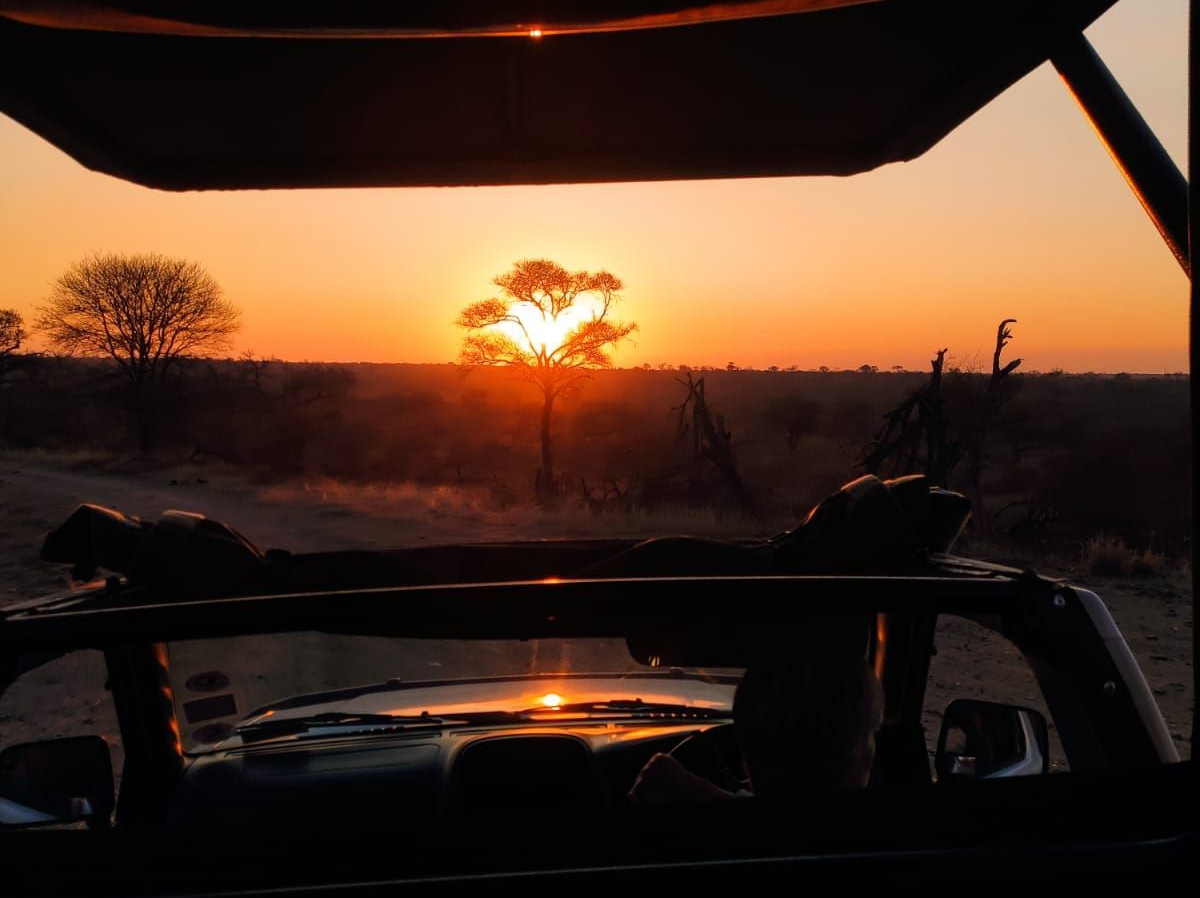
Let Us Build Your Kruger Safari Itinerary
Planning a safari becomes much easier once you stop trying to copy someone else’s itinerary.
At Stones Safaris, we build each journey around the traveller: your dates, number of days, wildlife interests, travel style and where Kruger fits into the rest of your South Africa holiday. You may need a focused first-time Kruger safari itinerary, a combination of Kruger National Park and Greater Kruger, or several days that mix guided drives with walking, sleepouts and slower bush experiences.
Explore our safari tours and experiences and Kruger National Park information, or contact Stones Safaris with your travel dates, number of guests and how long you have available.
From there, we can help turn the safari portion of your South Africa trip into one connected itinerary rather than a collection of individual bookings.
Frequently Asked Questions
How many days do you need for a Kruger safari?
For most first-time travellers, four to seven days is a strong starting point. Two or three days can still provide a good introduction if your time is limited, while a longer stay allows you to combine different areas and experiences without rushing. The important factor is how much of that time is actually available for safari rather than transfers and accommodation changes.
Is it better to self-drive or book a guided Kruger safari?
Both can work well. Self-driving gives you flexibility over your route, pace and stops, while a guided safari adds professional interpretation, local knowledge and the ability to focus completely on wildlife rather than driving and navigation. Many travellers choose a combination of guided days and self-drive days.
Should I stay inside Kruger National Park or in Greater Kruger?
It depends on the experience you want. Staying inside Kruger places you directly within the national park and works well for travellers who want to maximise park time or self-drive. Staying elsewhere in Greater Kruger can provide access to private reserves, different guiding styles and a wider range of activities. Many strong itineraries combine both.
Which airport is best for a Kruger safari: Hoedspruit, Skukuza or Kruger Mpumalanga?
Choose the airport according to where your safari starts and ends. Hoedspruit is particularly useful for Hoedspruit and central Greater Kruger, Skukuza is convenient for itineraries based inside Kruger, and Kruger Mpumalanga International Airport works well for southern Kruger and Mpumalanga. Always consider the road transfer after the flight when comparing options.
Can I combine Kruger National Park and a private game reserve in one trip?
Yes, and for many travellers this creates a more varied safari. Kruger National Park offers scale, extensive road networks and the classic national park experience, while private reserves can offer a different style of guided safari. The key is allowing enough time for each rather than changing locations every night.
Enquiry Form

Share This Article On Your Favourite Platform