Why September Is One of the Best Months for a Kruger Safari

From the Stones to the Stars
September is one of the best months for a Kruger safari if wildlife viewing is your main priority. It falls at the end of the dry season, when vegetation is still sparse and permanent water remains important to wildlife, but spring is beginning to change the Lowveld. At
Stones Safaris, we use these seasonal conditions when planning
Kruger National Park safaris and our wider
safari tours and experiences around each traveller’s available time, interests and preferred pace.
Key Takeaways
- September falls at the end of Kruger’s dry season, when vegetation is generally open and permanent water sources remain important to wildlife.
- The month combines dry-season wildlife-viewing conditions with the beginning of spring, including warmer temperatures and longer days.
- September works particularly well for first-time safari travellers whose priority is seeing large mammals, although wildlife sightings can never be guaranteed.
- The right September itinerary depends on how many days you have, how intensively you want to safari and whether Kruger forms part of a wider South Africa trip.
Is September a Good Time to Visit Kruger National Park?
Yes. September is a very good time to visit Kruger National Park, particularly for travellers whose main reason for going on safari is wildlife viewing.
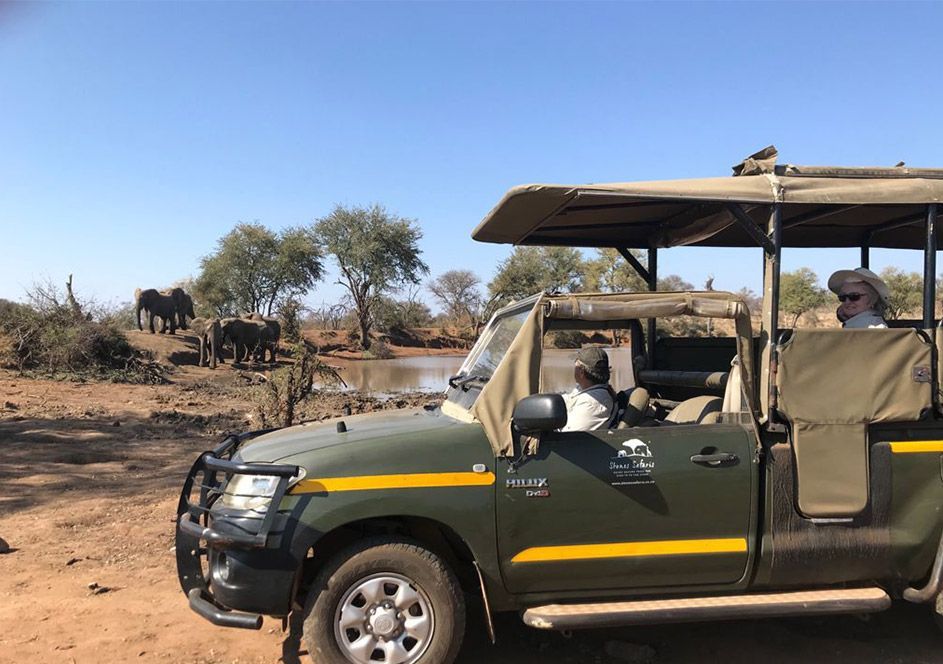
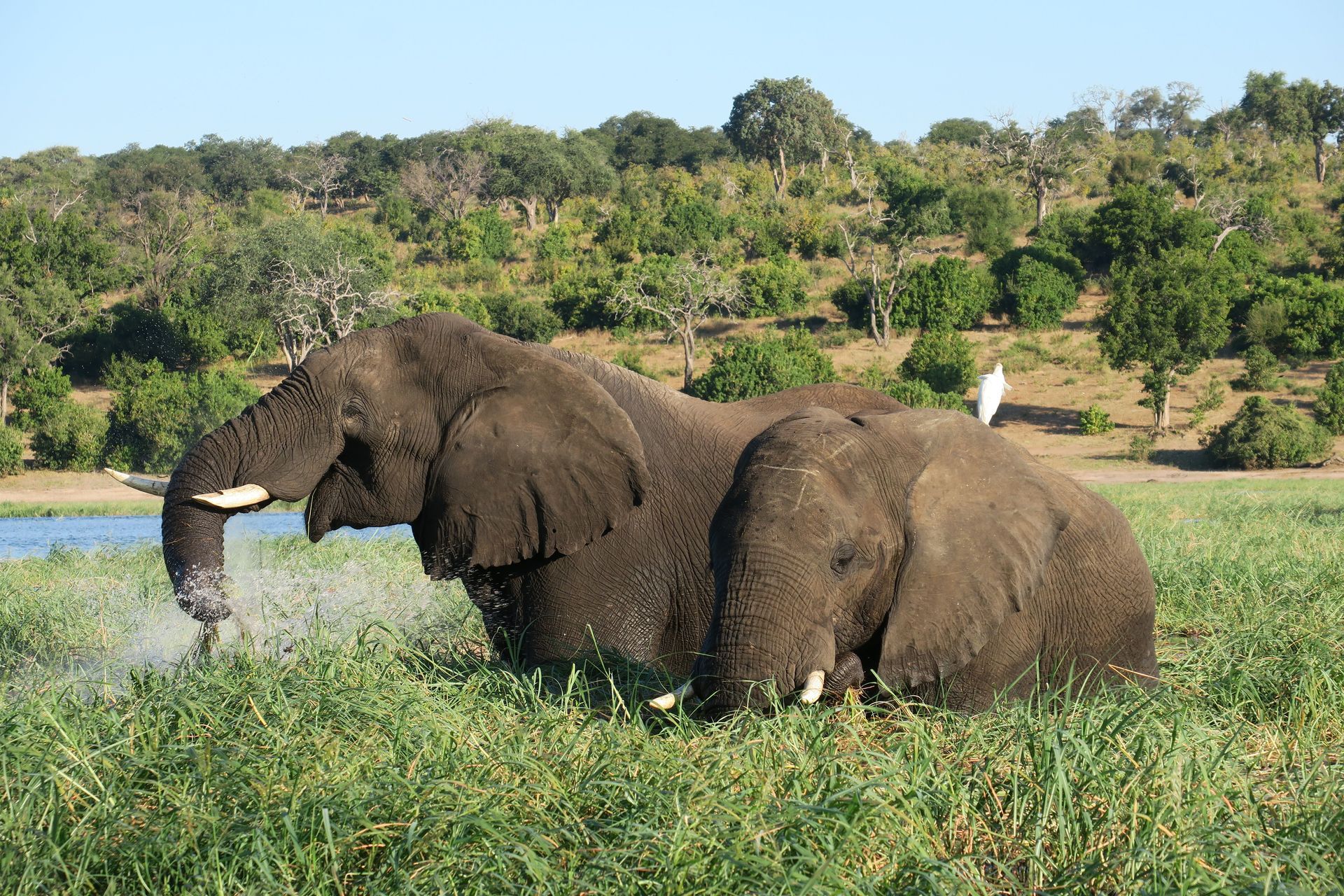
By September, the Lowveld has been through several months of dry conditions. Vegetation is generally thinner, many temporary water sources have reduced or disappeared, and animals become more reliant on permanent rivers, dams and waterholes. From a safari perspective, this can make wildlife easier to locate and easier to see through the bush than during the greener summer months.
September is also the beginning of spring in South Africa, so it sits at an interesting point in the seasonal cycle. Conditions can still feel strongly influenced by winter, especially early in the month, but temperatures begin rising and the days become longer as the region moves towards the summer rainy season.
This combination is one reason September is regularly considered when travellers ask about the best month to visit Kruger. It offers many of the practical wildlife-viewing advantages associated with the dry season while the landscape is beginning its gradual transition towards summer.
That does not mean every day will look the same. Nature does not follow a fixed calendar. The first meaningful rain can arrive earlier or later from one year to another, and conditions can begin changing quickly once moisture returns.
For us, that variability is part of the reason seasonality matters when planning a safari. Choosing September is not simply choosing a month on a calendar. It means understanding where the bush is in its annual cycle and shaping the itinerary around those conditions.
Why September Is Excellent for Wildlife Viewing
Wildlife lives throughout Kruger National Park year-round. The advantage of September is not that there are suddenly more animals in the park, but that dry-season conditions can make those animals easier to find and observe.
Water is one of the biggest factors. As the dry season progresses, wildlife has fewer temporary sources available and becomes increasingly dependent on reliable rivers and waterholes. Guides can use that knowledge alongside tracks, recent activity, habitat and animal behaviour when deciding where to spend time.
The vegetation also matters. Dry grasses are lower and many trees carry less foliage than they will after the summer rains. This can open sightlines through woodland and make it easier to notice movement that might be concealed during the green season.
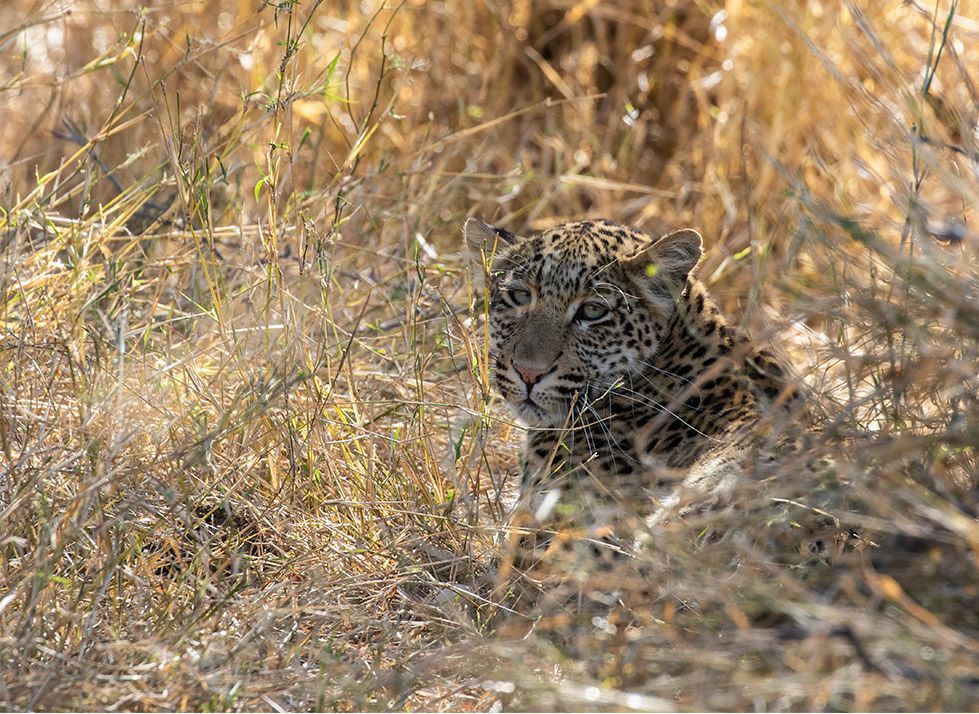
For first-time travellers hoping to experience the Big Five, these conditions can be particularly useful. Lions, leopards, elephants, rhinos and buffalo all occur in Kruger National Park, but they remain wild animals moving through a vast natural environment. No responsible safari operator can guarantee a particular sighting on a particular drive.
Allowing enough time therefore remains important, even during one of the stronger wildlife-viewing periods of the year.
A single drive can be productive, but several days give you different mornings, afternoons, habitats and wildlife movements. This is one reason we encourage travellers not to judge a safari only by how many species can be fitted into a few hours.
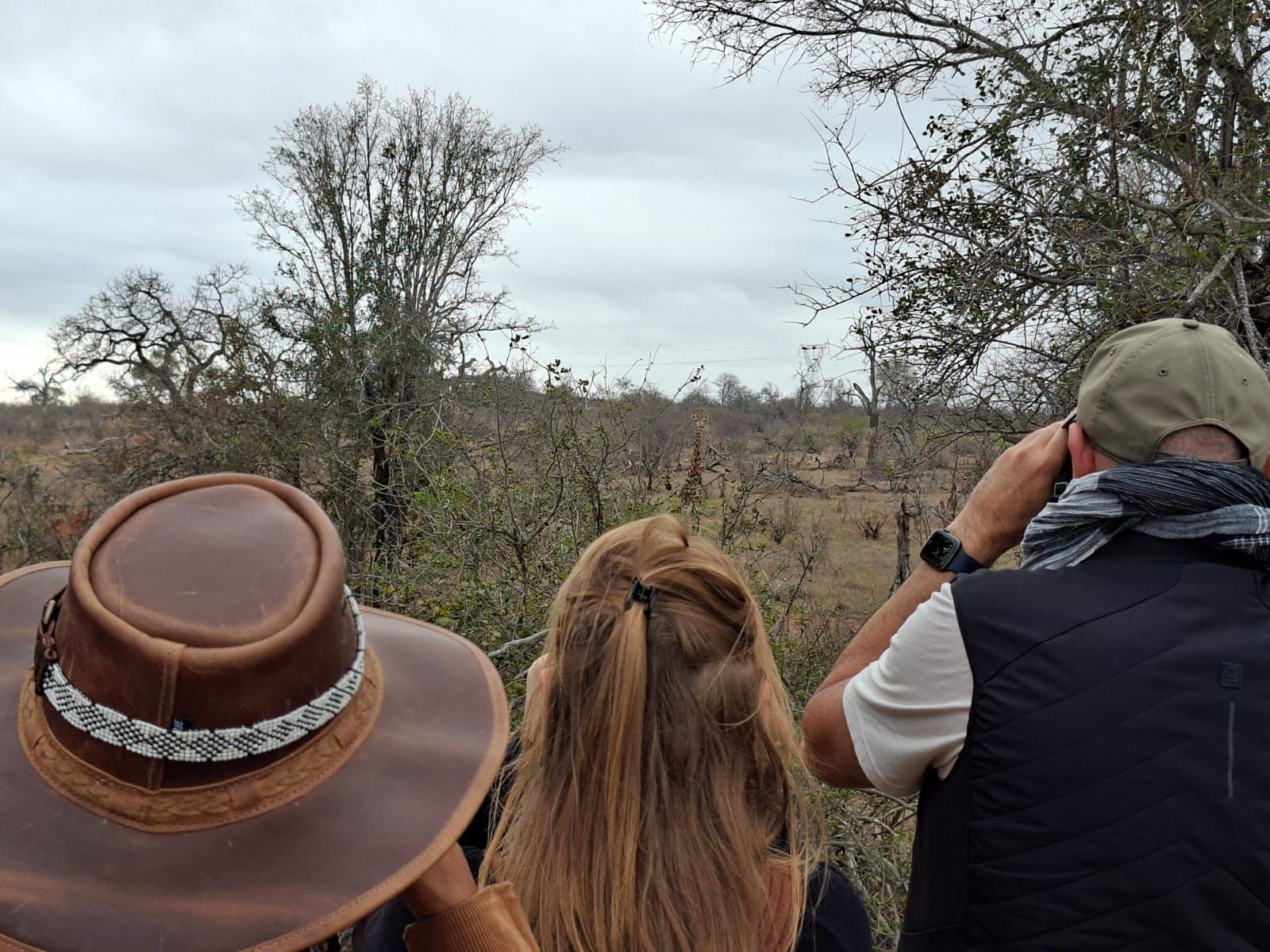
Good guiding is also about more than reaching the next sighting. Tracks, alarm calls, water availability, habitat and animal behaviour all help explain why wildlife is where it is. September’s dry conditions can make many of these relationships especially clear.
What the Kruger Bush Looks Like in September
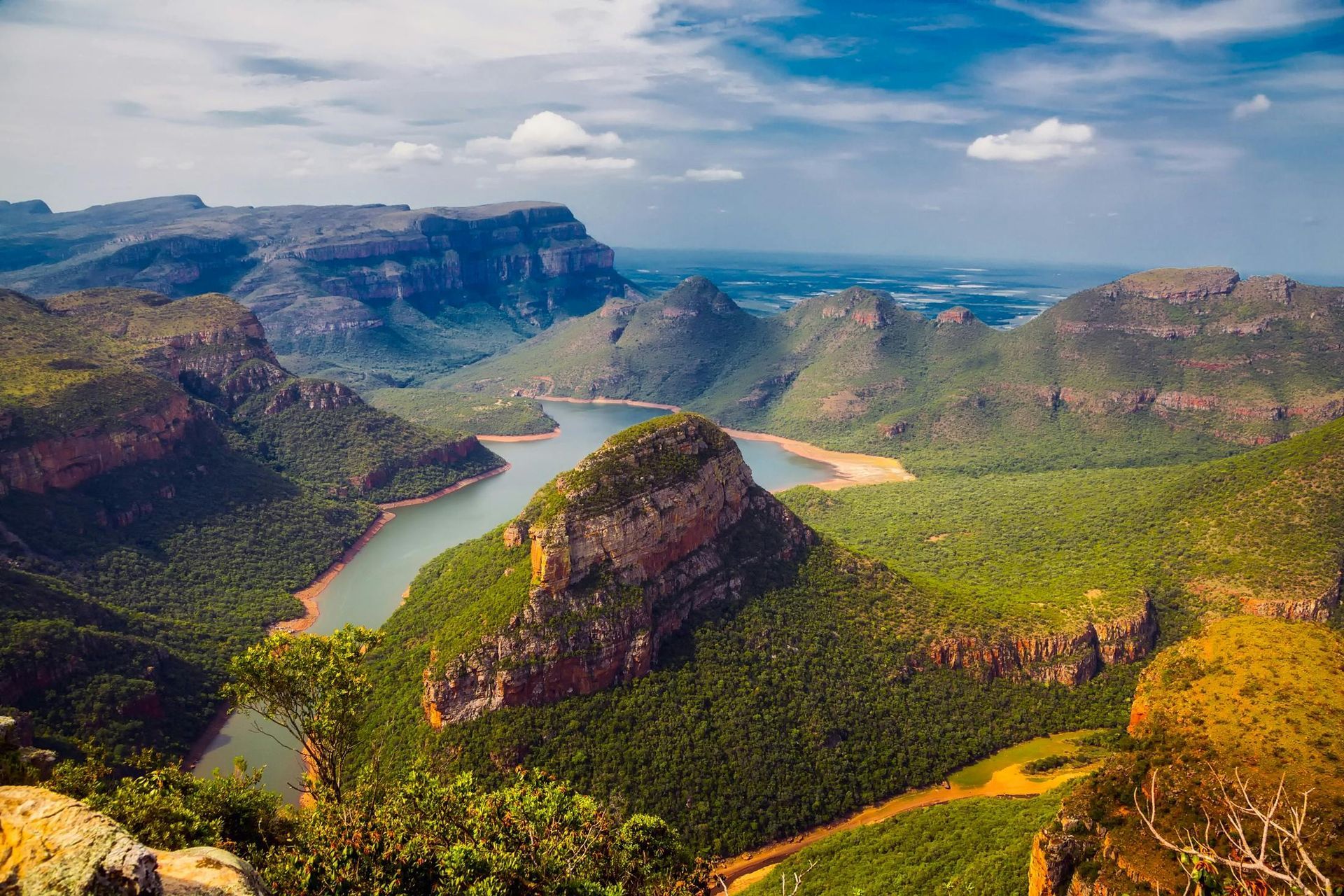
Travellers who have only seen photographs of green African landscapes can be surprised by Kruger in September.
At the end of the dry season, the bush can look dry, dusty and open. Grasses have faded, temporary water has reduced and some vegetation has been under dry-season pressure for months. Those conditions are normal for this stage of the Lowveld’s seasonal cycle.
For wildlife-focused travellers, that dry landscape has real advantages because visibility is generally better and water becomes an increasingly important part of animal movement.
At the same time, September marks the beginning of spring. Temperatures begin rising, days become longer and subtle changes start appearing before the summer rains have properly established themselves.
When the first meaningful rain does arrive, the response can be surprisingly quick. Fresh grass begins appearing and trees start producing new leaves, gradually shifting the landscape towards the greener conditions associated with the rainy season.
September therefore does not represent a completely fixed version of Kruger. It is a transition month. A traveller visiting earlier in the month may experience very dry conditions throughout the trip, while later conditions can begin showing signs of the seasonal change.
If you are comparing September with other months, our seasonal guide to the best time to visit Kruger National Park looks at the wider dry and rainy season cycle and how it can influence the safari experience.
Why September Works So Well for a Wildlife-Focused Kruger Safari
For travellers asking whether September is one of the best months for a Kruger safari, the direct answer is yes, particularly when large-mammal wildlife viewing is the priority.
September sits at the end of Kruger’s dry season. Vegetation is generally sparse, permanent water has become increasingly important to wildlife and visibility through the bush can be better than during the rainy season. At the same time, spring is beginning, so temperatures rise and the landscape starts moving towards its seasonal change.
The advantage is therefore not one single feature. It is the combination of dry-season visibility, water-dependent wildlife movement and the beginning of the spring transition.
That makes September particularly suitable for first-time safari travellers, but it is not automatically the best month for everyone. Birders, travellers who prefer green landscapes, photographers looking for dramatic summer skies or returning safari guests interested in the rainy-season ecosystem may deliberately choose a different time of year.
The best time to visit Kruger should always be matched to the safari experience you want.
What Wildlife Can You See in Kruger in September?
The same wildlife that makes Kruger National Park a major safari destination throughout the year remains present in September, including the Big Five and a broad variety of other mammals and birdlife.
What changes is the viewing environment.
Dry conditions can make wildlife movements more closely connected to permanent water, while thinner vegetation makes some sightings easier to see from the road. This can be particularly useful when searching for large mammals, but it should never be interpreted as a guarantee.
Wildlife does not operate according to a sightseeing schedule. An area that produced exceptional activity yesterday may be quiet today, and a drive that begins slowly can change very quickly.
That uncertainty is part of the value of spending enough time in Kruger. The aim is not simply to collect individual sightings, but to experience how wildlife behaves within a functioning ecosystem.
September can make some of those relationships particularly visible. Water is clearly important. Predator and prey movements can be influenced by the same limited resources, and guides can often use tracks, sounds and changing activity around an area to build a picture of what has happened before you arrived.
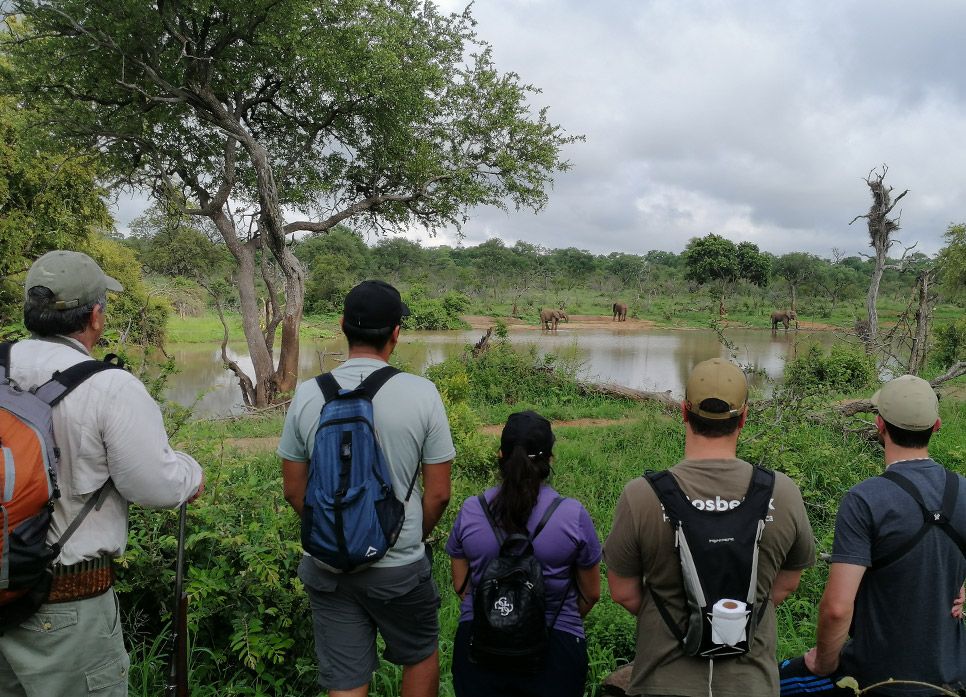
For travellers who want to explore beyond vehicle-based wildlife viewing, Stones Safaris also offers different ways to experience the Lowveld through our safari tours and experiences. The right combination depends on your interests and how much time you have available.
Planning a Kruger Safari in September
Choosing September is only the first part of planning the safari. The next question is how to use your time.
For a first-time visitor, we generally recommend building the itinerary around strong wildlife-viewing opportunities rather than trying to add as many different activities as possible. Several well-planned safari days give you more opportunities to experience different wildlife movements and conditions without placing pressure on one drive to deliver everything.
Your overall trip length matters. If you only have a few days available, it usually makes sense to keep the itinerary focused. Travellers with more time can introduce different experiences and a slower rhythm rather than spending every available hour in a vehicle.
Our recent guide on how to plan the perfect Kruger safari itinerary explains how trip length, accommodation, guided activities and Greater Kruger experiences can work together.
September temperatures also deserve practical consideration. Conditions are moving out of winter, so days begin becoming warmer, but early safari starts can still feel cool. Layers are useful because conditions can change considerably between an early departure and the middle of the day.
A September safari should also leave some flexibility. The Lowveld is entering spring, and the exact arrival of meaningful rain cannot be scheduled. If rain does arrive, road and wildlife conditions can change, and a good itinerary should be able to work with what is happening in the bush rather than treating every day as identical.
Most importantly, decide what you want before choosing the structure of the trip. If this is your first safari and wildlife is the priority, your itinerary should look different from that of a returning visitor who wants more walking, photography or slower bush time.
This is where local itinerary planning becomes useful. At Stones Safaris, we customise our safari planning around the traveller’s group, travel preferences and desired pace rather than placing everyone into the same programme.
Plan Your Kruger Safari
If you are already considering September, the next step is deciding how many days you have, what type of wildlife experience you want and how Kruger fits into the rest of your South Africa itinerary.
At Stones Safaris, we do more than book individual activities. We help travellers combine guided Kruger experiences, time in the wider Greater Kruger region and the right pace for their trip into one practical itinerary.
Explore our Kruger National Park safari options and safari tours and experiences, or contact Stones Safaris with your travel dates, number of travellers and available time.
We can then help you decide how to use September’s dry-season wildlife conditions and spring transition in a way that fits the safari you actually want.
Frequently Asked Questions
Is September a good time to visit Kruger National Park?
Yes. September falls at the end of Kruger’s dry season, when vegetation is generally sparse and wildlife remains strongly influenced by permanent water sources. These conditions can make wildlife easier to locate and view, particularly for first-time safari travellers focused on large mammals.
What is the best time of year to see wildlife in Kruger?
The dry season is traditionally associated with strong wildlife viewing because vegetation becomes thinner and water is more restricted. September is particularly interesting because it combines late dry-season conditions with the beginning of spring. The best time for any individual traveller still depends on whether wildlife visibility, birding, landscapes, photography or another interest is the priority.
Is the dry season better for a Kruger safari?
The dry season can be better for travellers whose main priority is large-mammal wildlife viewing because vegetation is more open and permanent water becomes increasingly important. The rainy season offers different advantages, including greener landscapes, stronger summer bird activity and a very different overall bush environment. Neither season is universally better for every traveller.
How many days should you spend in Kruger National Park?
For most first-time travellers, several safari days provide a better experience than trying to see Kruger in a single rushed visit. The right number depends on your wider South Africa itinerary, accommodation plans, travel pace and whether you are combining Kruger National Park with other Greater Kruger experiences. If you are unsure how to structure the trip, we can help build the safari around the time you actually have available.
What should you pack for a Kruger safari?
Pack practical clothing that can handle changing conditions during the day. For September, layers are useful because early starts may still feel cool while daytime temperatures can become warmer as spring develops. Comfortable clothing, suitable footwear, sun protection and any camera or binocular equipment you want to use should be considered when preparing for the trip.
Enquiry Form

Share This Article On Your Favourite Platform