Greater Kruger Safari: What Changes When the First Rains Arrive

From the Stones to the Stars
The first rains change a Greater Kruger safari quickly. Dry landscapes begin turning green, temporary water returns, vegetation thickens and wildlife becomes less dependent on a limited number of permanent water sources. At
Stones Safaris, we use these seasonal changes when planning
Kruger National Park safaris,
safari tours and experiences and wider itineraries around each traveller’s interests and available time.
Key Takeaways
- The first rains mark the transition from Kruger’s dry season towards the green summer months.
- Wildlife remains present, but thicker vegetation and more widely available water can change where animals are found and how they are viewed.
- Birdlife, insects, reptiles, new vegetation and young animals become a bigger part of the safari experience as summer develops.
- September and October can suit travellers who want to see the bush changing rather than experience only classic dry-season conditions.
- The best itinerary should reflect the season, wildlife interests, travel pace and how Kruger fits into the wider South Africa trip.
When the Kruger Landscape Start Turning Green
Kruger National Park’s rainy season broadly runs from November through March, but the landscape does not change according to a fixed calendar. The timing and amount of rainfall vary, and meaningful rain can arrive earlier or later from one year to another.
That is why September and October are best understood as part of a transition rather than as the moment when the entire Lowveld suddenly becomes green.
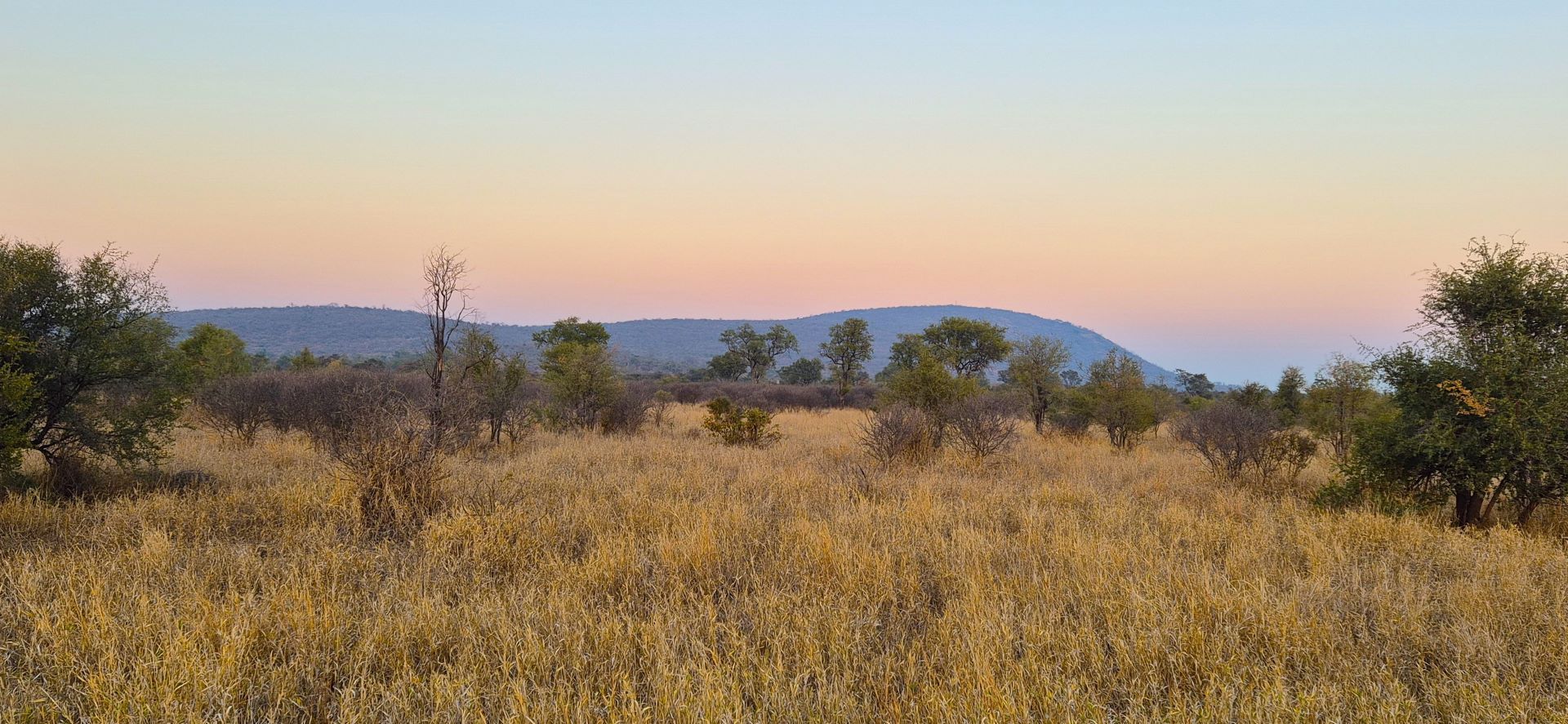
At the end of the dry season, grasses are generally faded, temporary water sources have reduced and much of the vegetation is open. Temperatures begin rising as spring develops, and clouds start building ahead of the summer rains. Once enough rain reaches the soil, the response can be remarkably quick.
Fresh grass begins appearing, trees push new leaves and areas that looked dry only days earlier start showing colour. Seasonal pans and drainage lines may begin holding water again, while insects and other smaller parts of the ecosystem respond to the moisture.
For travellers, this creates a very different visual experience from a winter Kruger National Park safari. It is not simply the same safari with greener scenery. Water, vegetation and temperature influence animal movement, visibility and activity across the landscape.
This seasonal transition is also why we encourage travellers to think beyond the idea of one universal best time to visit Kruger. The dry season makes some aspects of wildlife viewing easier, while the rainy season reveals a different side of the ecosystem.
Our South Africa safari in spring guide looks more broadly at what travellers can expect as the Lowveld moves between those two conditions.
What Changes After the First Rains in Greater Kruger
The most obvious change is vegetation. Grass begins growing, leaves return and the dry browns and yellows of late winter gradually shift towards green.
The less obvious change is what that new water and vegetation mean for wildlife.
During the dry season, animals are more dependent on permanent rivers, dams and waterholes. Guides can use those reliable water sources, together with tracks, habitat and recent animal activity, when deciding where to spend time.
After rain, water becomes available across a wider area. Animals have more options and can spread into areas that may have offered little water during winter. This does not mean wildlife disappears. It means that the patterns guiding wildlife movement begin to change.
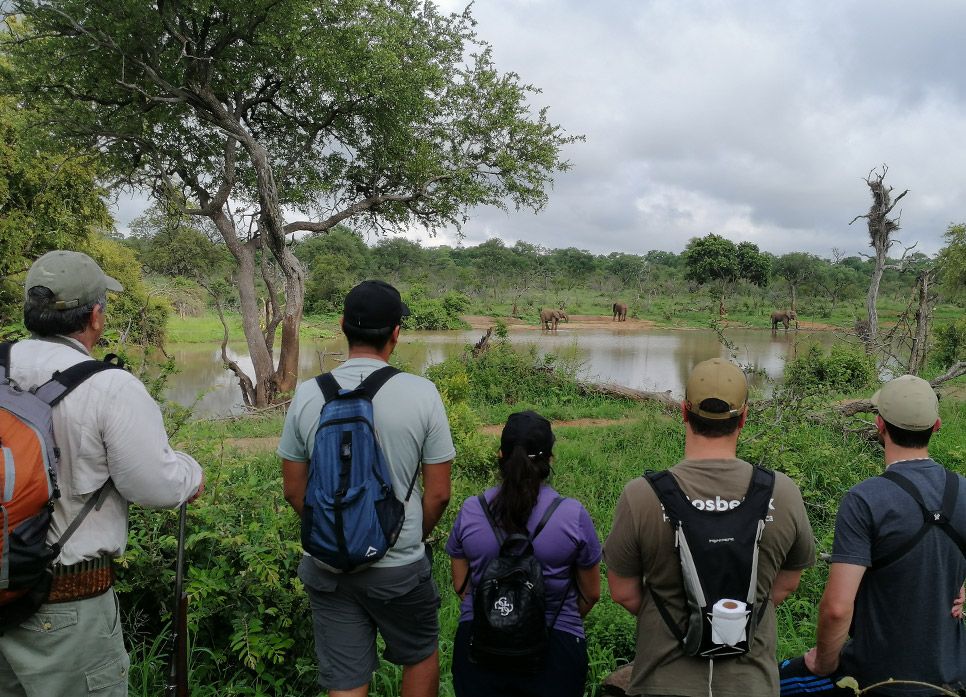
Vegetation also becomes denser as the rainy season progresses. An elephant standing in open winter bush may be obvious from a distance, while the same animal can be partly concealed once grasses and leaves have returned. Smaller animals and predators can become even more challenging to spot.
This is where guiding becomes particularly important. Wildlife viewing is not only about driving to the same waterhole each day. Tracks, alarm calls, bird behaviour, habitat, weather and recent wildlife activity all help build a picture of what is happening in an area.
Rain can also influence the practical side of safari. Heavy summer storms may affect road conditions, routes or the timing of an activity. A good itinerary therefore needs some flexibility rather than assuming every day will unfold exactly as planned.
At Stones Safaris, this is one reason our safari itineraries are built around the traveller and the conditions rather than simply filling every day with the same activity.
What the First Rains Mean for Your Greater Kruger Safari
The first rains do not make a Greater Kruger safari better or worse. They change what the safari offers.
Travellers coming primarily to maximise visibility of large mammals may prefer the open vegetation and water-dependent wildlife patterns of the dry season. Travellers interested in landscapes, birds, reptiles, young animals, summer storms and the wider ecology of the bush may find the early rainy season particularly rewarding.
September and October sit within that change. Conditions can still show strong dry-season characteristics, especially before meaningful rainfall, but the Lowveld can also begin changing rapidly once the rains arrive.
The practical answer is therefore to choose the season according to what matters most to you. If wildlife visibility is the main priority, dry-season conditions may be preferable. If you want to experience the bush becoming green and see more of the seasonal activity associated with summer, the transition into the rainy season deserves serious consideration.
That distinction matters when comparing safari packages. Two itineraries may include similar game drives, but the experience can be very different depending on when you travel, how many days you have and whether the itinerary includes only vehicle-based wildlife viewing or a broader mix of experiences.
How Wildlife Viewing Changes from September into November
September can still feel strongly influenced by the dry season. Water may remain limited, vegetation can remain relatively open and wildlife may still be concentrated around permanent sources. At the same time, daytime temperatures are rising and the possibility of rain increases.
Once rain begins falling more consistently, wildlife has access to water in more places. Fresh grazing and browsing become available, and animals no longer need to rely on the same limited water sources in quite the same way.
By November, the landscape may look markedly different from the late dry-season bush. Vegetation can become denser and greener, and summer wildlife activity becomes a more noticeable part of the experience.
For travellers, the main trade-off is visibility versus seasonal diversity.
Dry conditions can make it easier to see through the bush and can make certain wildlife movements more predictable. Green-season conditions introduce richer vegetation, summer birdlife, insects, reptiles and young animals, but the additional cover can make some mammals more difficult to see.
This is why we do not treat a game drive as a fixed route. Conditions, recent animal activity and what is happening in the bush influence where guides spend time.
Travellers should also avoid assuming that rain means entire safari days will automatically be lost. Summer storms are part of the Lowveld, and heavy rainfall can sometimes influence timing or routes, but the actual effect depends on conditions on the day.
A well-planned safari itinerary should leave enough flexibility to respond to the environment rather than placing unnecessary pressure on every individual drive.
Why Birdlife and Young Animals Become Part of the Experience
Summer changes the soundtrack of the bush as much as the landscape.
Kruger supports extensive birdlife throughout the year, but migratory species add to that diversity during the summer period. Increased insect activity and changing vegetation also create more feeding and breeding activity across the ecosystem.
Even travellers who do not arrive as dedicated birders often begin paying more attention to birds once they understand how useful they are on safari. Alarm calls can indicate predator activity. Vultures can draw attention to events elsewhere in the landscape. Smaller species help reveal what is happening in habitats that may initially appear quiet.
Reptiles also become more active as temperatures rise, adding another dimension to a summer safari.
Young animals are another noticeable part of the season. The annual impala lambing period takes place during the summer period, bringing vulnerable young animals into the predator-prey cycle. For travellers, this can mean seeing a different stage of wildlife behaviour from the one experienced during the dry winter months.
It is important not to turn this into an expectation of guaranteed predator action. Wildlife remains unpredictable, and no particular sighting can be promised. What changes is the ecological context in which the safari takes place.
For photographers, these conditions can be especially interesting. Green backgrounds, changing skies, young animals and summer birdlife create very different photographic opportunities from the muted tones and open vegetation of winter.
Our latest guide on why September is one of the best months for a Kruger safari looks at the opposite side of this transition, when dry-season wildlife conditions still dominate but spring is beginning to change the Lowveld.
Is October or November a Good Time for a Kruger Safari?
Yes, October and November can both be good times for a Kruger safari, but they are best suited to travellers who understand that they are visiting during a seasonal transition.
October may still offer relatively open vegetation and dry-season wildlife patterns, particularly before substantial rain. It can therefore appeal to travellers who want some of the advantages associated with the dry season while seeing the first stages of the landscape changing.
November moves further into the rainy-season pattern. The bush can become greener and denser, bird and reptile activity increases and the wider ecosystem takes on more of its summer character.
Neither month offers guaranteed conditions because rainfall varies from year to year.
The better question is not whether October or November is universally “better”, but which conditions suit your priorities. A first-time safari traveller focused almost entirely on seeing large mammals may choose differently from a photographer, birder or returning visitor who wants to experience the summer ecosystem.
The length of your stay also matters. Several days give you more opportunity to experience changing wildlife activity and different conditions without expecting one game drive to deliver everything.
At Stones Safaris, we help travellers build a Kruger safari itinerary around the time they actually have available, rather than forcing a standard programme into every trip.
What to Consider When Comparing Safari Packages in the Rainy Season
If you are comparing safari packages for October, November or the wider rainy season, look beyond the number of activities listed.
Start with the amount of time actually available for wildlife viewing. A schedule packed with transfers, accommodation changes and consecutive activities can leave very little room for the flexibility that a summer safari sometimes needs.
Consider the balance of experiences as well. Guided game drives allow you to cover more ground, while walking and other bush experiences shift the focus towards tracks, plants, birds and the smaller details of the ecosystem.
Season should also influence expectations. A dry-season itinerary built around permanent water sources may not work in exactly the same way once water is available more widely and vegetation has changed.
For international travellers, it is also worth considering how Greater Kruger fits into the rest of a South Africa itinerary. Safari does not need to be treated as a separate block of individual bookings. Travel days, pace and the experiences before and after Kruger all affect how the trip feels.
Stones Safaris offers
Kruger and Hoedspruit safari experiences that can be combined according to the traveller’s dates, interests and preferred pace. The purpose is not to add every available activity, but to build a journey where each experience contributes something different.
Experience Greater Kruger as the Bush Comes Back to Life
The first rains are one of the clearest reminders that a Greater Kruger safari is shaped by a living, changing environment.
If you are considering travelling as the Lowveld moves into the rainy season, we can help you decide how many days to spend on safari, which experiences suit your interests and how to balance wildlife viewing with birding, walking, photography or a slower bush experience.
Explore our Kruger National Park safari options and safari tours and experiences, or contact Stones Safaris with your travel dates, number of travellers and the type of safari you are considering.
We can then help build a Greater Kruger itinerary around the season you are actually travelling in, rather than asking you to fit into the same safari programme used throughout the year.
Frequently Asked Questions
When do the rains usually start in Kruger National Park?
Kruger’s rainy season broadly begins in October and continues through March. The exact timing of the first significant rains varies from year to year, so travellers should not expect the landscape to turn green on a fixed date. Once sufficient rain arrives, however, fresh grass and new leaves can begin appearing quickly.
Does rain affect wildlife viewing in Kruger?
Yes, but not because wildlife disappears. Rain makes water more widely available and encourages new vegetation, allowing animals to spread more broadly through the landscape. As vegetation thickens, some animals can also become harder to see. Heavy rain may occasionally affect road conditions, routes or activity timing.
When can you see baby animals in Kruger?
Young animals can be seen at different times depending on the species. The summer period includes the annual antelope lambing season, when many young become part of the landscape. Wildlife sightings remain unpredictable, so travellers should not plan a trip around a guaranteed sighting of newborn animals.
When do migratory birds return to Greater Kruger?
Migratory birdlife becomes an increasingly important part of the safari experience as the region moves into the summer rainy season. Exact arrival timing varies by species, but travellers visiting during the greener summer months can experience a different birding environment from the dry winter season.
Does malaria risk increase after the rains begin?
Kruger National Park is in a malaria-risk area, and SANParks identifies the summer rainy period as the higher-risk part of the year. Travellers should seek current medical advice from a doctor or travel-health professional before visiting, regardless of the month, rather than relying on safari operators for individual medical recommendations.
Enquiry Form

Share This Article On Your Favourite Platform